Reviewed by
  5 min read
THERE WAS A time in my life when I romanticized poor sleep. In my early 20s, whether it was from a night out destroying my liver or spending hours of twilight pounding at the keys, I wore my bags as a badge of honor—evidence of a night well spent. I looked at the next day as a challenge, a trial of endurance for my body operating on an empty tank. I was also washing my face with bar soap and sleeping in a converted walk-in closet, so I wasn’t exactly the best source of life inspiration during this stage. Now, I realize not only how important sleep is to my health, but the health of my skin specifically.
According to performance coach Sam Neame, poor sleep (aka less than seven hours) makes it harder for the body to repair and recover, contributing to fatigue, brain fog, reduced concentration, and slower thinking. But your skin suffers, too. “There’s a reason it’s called beauty sleep,” dermatologist Dr. Kenneth Mark, MD, says. Your skin is your body’s largest organ, he adds, and it relies on sleep just like the rest of your organs to repair and regenerate. This helps it stay as healthy and youthful as possible.
To get a full picture of how sleep—or lack thereof—affects your skin, I spoke with a quartet of dermatologists. Of course, no one can have perfect sleep every night, so I also asked how best to combat the impact of a night without quality zzzs.
How Sleep Affects Skin in the Short Term
Dermatologist Dr. Danny Guo, MD, confirms that your skin needs rest, as sleep gives the skin important time to recover, supporting processes that repair damage and clear cellular waste. It’s also when growth hormone surges, which can help the skin stimulate collagen and elastin production, he adds. For most people, one bad night of sleep won’t be too damning, but there will be effects.
According to dermatologist Dr. Ariel Ostad, MD, even just one sleepless night can lead to a duller complexion, increased puffiness—especially under the eyes—and more visible fine lines due to dehydration. Sleep deprivation also raises cortisol levels, Dr. Ostad says, which increases oil production, leading to inflammation.
If you’re dealing with any type of skin lesion or wound, this will also impair your skin’s ability to heal. As for why dark circles appear after a poor night’s sleep, slower lymphatic drainage and dilated blood vessels can make darkness more visible through the thin under-eye skin.
How Sleep Affects Skin in the Long Term
While your skin can easily bounce back after one bad night, when you start to make a habit of poor sleep or even flirt with insomnia, issues become more serious. During deep, uninterrupted sleep, your skin shifts into repair mode, increasing cell turnover to shed dead cells and promote renewal, Dr. Ostad says.
Collagen production and blood flow also increase, supporting firmness and delivering oxygen and nutrients to the skin. Meanwhile, cortisol levels drop, helping reduce inflammation and collagen breakdown. When your skin doesn’t go through this routine, it will pay the price in more ways than one.
Dermatologist Dr. Chang Son, MD, says poor sleep can weaken your skin’s protective barrier, contributing to dryness and inflammation that may accelerate collagen breakdown and worsen conditions like acne and rosacea. Poor sleep can also affect your skin’s appearance and complexion. Perhaps most noticeably, your skin can lose moisture, compromising the skin barrier and leaving it drier, more sensitive, and prone to redness while making fine lines more noticeable, Dr. Guo says.
How To Help Skin Recover from Poor Sleep
Most of the issues with poor sleep—at least in terms of the skin—come down to two things: a weakened skin barrier and dehydrated skin. So the best products to minimize the visual effects will address one or both of these concerns. Now, to be clear, every dermatologist I spoke with emphasized the same point: The only real solution is consistently getting quality sleep. But for the occasional bad night, this is how you can minimize the damage.
Dr. Mark points to hyaluronic acid as one of the best ingredients to look for because it’ll help rehydrate the skin after the water loss from a poor night of sleep. He says that hyaluronic acid can help the skin retain moisture by binding up to 1,000 times its weight in water, which both supports hydration and barrier repair.
Our best overall moisturizer for men, Neutrogena’s Hydro Boost Hydrating Gel Cream Face Moisturizer, will be great here. I’ve been using this hyaluronic acid moisturizer for years, and it never fails to leave my face feeling hydrated and smooth. It’s no surprise I discovered it in my early 20s when my drinking was at an all-time high and quality sleep was seen more as an occasional treat.
Dr. Son doubles down on this idea, calling hydration the single most important tool in helping combat bad sleep. Beyond the hyaluronic acid, he recommends looking for niacinamide for additional hydration and to boost the skin barrier, along with vitamin C to brighten.
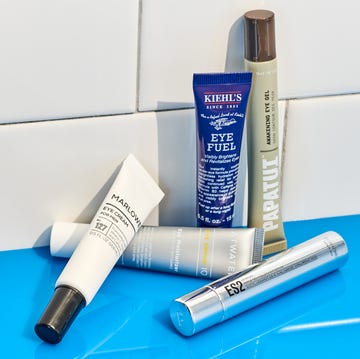
He also recommends caffeine-based creams, which can help constrict blood vessels and reduce puffiness. Marlowe No. 127 Eye Cream is perfect here. It’s packed with caffeine and has become my personal go-to hangover eye cream to fight puffiness and trick people into thinking I made healthier choices the night before.
Dr. Ostad adds that since skin may be overstressed with a weakened barrier, it’s important to stick to a gentle cleanser the morning after not sleeping well. La Roche-Posay Toleriane Hydrating Gentle Cleanser orTower 28 SOS Gel Cleanser will be ideal here.

Neutrogena Hydro Boost Hyaluronic Acid Hydrating Gel-Cream Face Moisturizer

Marlowe No. 127 Eye Cream

La Roche-Posay Toleriane Hydrating Gentle Face Cleanser

Tower 28 SOS Gel Cleanser
How To Get Better Sleep
Again, the best strategy for your skin is to simply get better sleep. That’s obviously easier said than done, but there are plenty of habits that can help. Neame recommends anchoring your sleep routine with a consistent wake-up time and getting daylight soon after waking to regulate your circadian rhythm. Keep your bedroom cool, dark, and well-ventilated, exercise regularly (but avoid heavy workouts late at night), and cut off caffeine by midday.
He also suggests setting firm boundaries with your phone, putting it away one to two hours before bed and avoiding it for 30 to 40 minutes after waking. A hot shower before bed may also help your body cool down and prepare for sleep.
Skip long weekend lie-ins, which can throw off your body clock, and avoid excessive alcohol, late meals, and late-night scrolling. Above all, Neame says to master the fundamentals, stay consistent, and avoid obsessing over perfect sleep, which can create sleep anxiety and make it even harder to rest.
Meet the Experts
- Dr. Danny Guo, MD, is a double board-certified dermatologist specializing in cosmetic and Mohs surgery.
- Dr. Chang Son, MD, is a board-certified dermatologist and founder of SCN Dermatology.
- Dr. Ariel Ostad, MD, is a board-certified dermatologist and facial cosmetic surgeon.
- Dr. Kenneth Mark, MD, is a board-certified dermatologist.
- Sam Neame is a performance coach and writer.
More of Our Favorite Skincare
Moisturizers for Oily Skin | Moisturizers for Sensitive Skin | Sunscreens | Moisturizers for Combination Skin | Moisturizers for Dry Skin | Body Lotions | Night Creams | Foot Creams | SPF Moisturizers | Body Washes for Dry Skin | Bar Soaps | Natural Soaps | Biodegradable Soaps | Face Washes | Moisturizing Body Washes | Deodorants | Sunscreen for Working Out | Skincare Brands| Eye Creams | How to Apply Eye Cream
Sean Zucker is the Grooming and Reviews Editor at Men's Health. He brings over half a decade of experience covering health, wellness, and lifestyle. When Sean's not writing about hair products, you can find him running for exercise, or toward the nearest food truck.
Christian is the Style and Reviews Director at Men's Health and Women’s Health, where he oversees shopping and style content for both brands. He started his magazine career as an accessories assistant at Vogue, and has since held editorial roles at Tatler Asia and The Manual. When he’s not online shopping, you can find him on long walks with his two corgis.