The 14 Best Mattresses of 2026, Tested by Our Editors
From Saatva to Avocado to Purple, we tested them all.
 Reviewed by Ryan BrowerSenior Gear and Reviews Editor
Our product picks are editor-tested, expert-approved. We may earn a commission through links on our site. Why Trust Us?
DON'T SLEEP ON your sleep, because good sleep isn’t optional, it’s imperative—and that starts with what you’re sleeping on. Your mattress is literally the foundation of your sleep and your sleep health. The best mattresses often cost a pretty penny and can feel like a serious investment—especially since a good number in our guide are north of a thousand dollars—but a quality one can make or break your sleep routine. Considering that everyone sleeps up to a third of their lives, it’s a worthy cost. It can mean the difference between a sound night’s sleep and endless nights of tossing and turning.
Best Mattresses
- Best Mattress: Saatva Classic
- Best Budget Mattress: Allswell Luxe Hybrid 12"
- Best Memory Foam Mattress: Tuft & Needle Essential T&N Original
- Best Hybrid Mattress: DreamCloud Hybrid
- Most Comfortable Mattress: Tempur-Pedic TEMPUR-Adapt
Sleep impacts every aspect of our lives, from job performance to better post-workout muscle recovery to stress levels and more. According to Jeffrey Durmer, MD, PhD, the chief medical officer at Absolute Rest, there are three neuroscientific pillars that determine the impact of sleep on our health: sleep timing, duration, and quality. "While many of us have the ability (but sometimes not the foresight) to control when and how much we sleep, sleep quality is much less under our control," says Dr. Durmer. "Choosing the best mattress for your particular sleeping characteristics is a fundamental component you can control to improve your sleep quality."
How We Selected
For the past few years, I have tested a couple of different mattresses. That was in tandem with various Men's Health editors testing out over a dozen mattresses as well. Combined, we put these beds through the wringer, evaluating each one on support, comfort, durability, and assembly time. We also considered price point, as some mattresses provide a better overall value than others.
We were keen to select testers from the MH staff that included folks of all shapes and sizes, along with a variety of sleep types (back, side, stomach). Testing over all four seasons allowed us to see how the beds performed in different climates and our crew also waded through a sea of user reviews and critical content online. The best of the best excelled in just about every consideration category above and genuinely produced a mattress we looked forward to curling up on at the end of the day.
Aside from our expert-aided sleep roundups, we also host our annual Sleep Awards, where we highlight our top sleep products of the year. To say the least, we are pretty good at sleep.
*Additional reporting by Mark Stock
 Best Deal

Saatva Classic Mattress

Saatva Classic Mattress
Pros
- Luxurious design
- Three comfort levels to choose from
- Holds its shape over time
- Durable construction with a long lifespan
- Free delivery and setup, plus free old mattress/foundation removal

Cons
- The starting price is high, although sales are common

If you’re a stomach sleeper, a back sleeper, or even a combo sleeper (someone who switches up positions in the night), then Saatva’s Classic Mattress is a phenomenal investment. It comes in three firmness levels: plush soft, luxury firm, and firm. All excellent choices, but we love the luxury firm as a "just right" firmness that's great for combo sleepers and couples with different sleep styles or mattress preferences.
No matter if you choose the 11.5-inch height or the 14.5-inch height, lying on this mattress will feel every bit as luxurious as a fine hotel bed, and maybe the best part—at least for us—is how green it is as each mattress is made to order, so they don't sit in storage. The naturally breathable organic cotton cover allows more airflow to help disperse body heat.
“The mattress was delivered on time, and the delivery team was professional and well-presented,” noted our tester. “The Saatva Classic Mattress is a dream. It perfectly balances firmness, support, and softness, delivering lasting comfort throughout the night. Unlike some mattresses that become uncomfortable over time, this one maintains its support, allowing me to wake up feeling refreshed and restored.” They said, “My sleep has noticeably improved. I toss and turn less and stay in deep sleep longer. The mattress cradles me in a way that seems to ease daily stress, making it easier to relax. Once I lay down, I naturally trust that I’ll have a good night’s sleep.”
Other bonuses we enjoyed while testing include a responsive dual-coil design made of recycled carbon steel that's tempered three times for superb durability. And it’s all assembled in the U.S.. Saatva’s quality is unparalleled, and even though it's a bit pricey (especially when not on sale) it’s worth the investment. If you tend to flip-flop between sleeping on your stomach and your back, pick this one up.
Read More: Saatva Classic Review
| Firmness Options | Plush soft, luxury firm, firm |
| Mattress Type | Hybrid |
| In-Home Sleep Trial | 365 nights |
| Warranty | Lifetime |
| Shipping | Free white glove delivery and setup |
Allswell Luxe Hybrid 12" Mattress
Allswell Luxe Hybrid 12" Mattress
Pros
- Under $400 (for a queen-sized)
- Versatile, supportive medium-firm feel
- CertiPUR-US certified memory foam
- Fast, free shipping
Cons
- Initial setup can be difficult
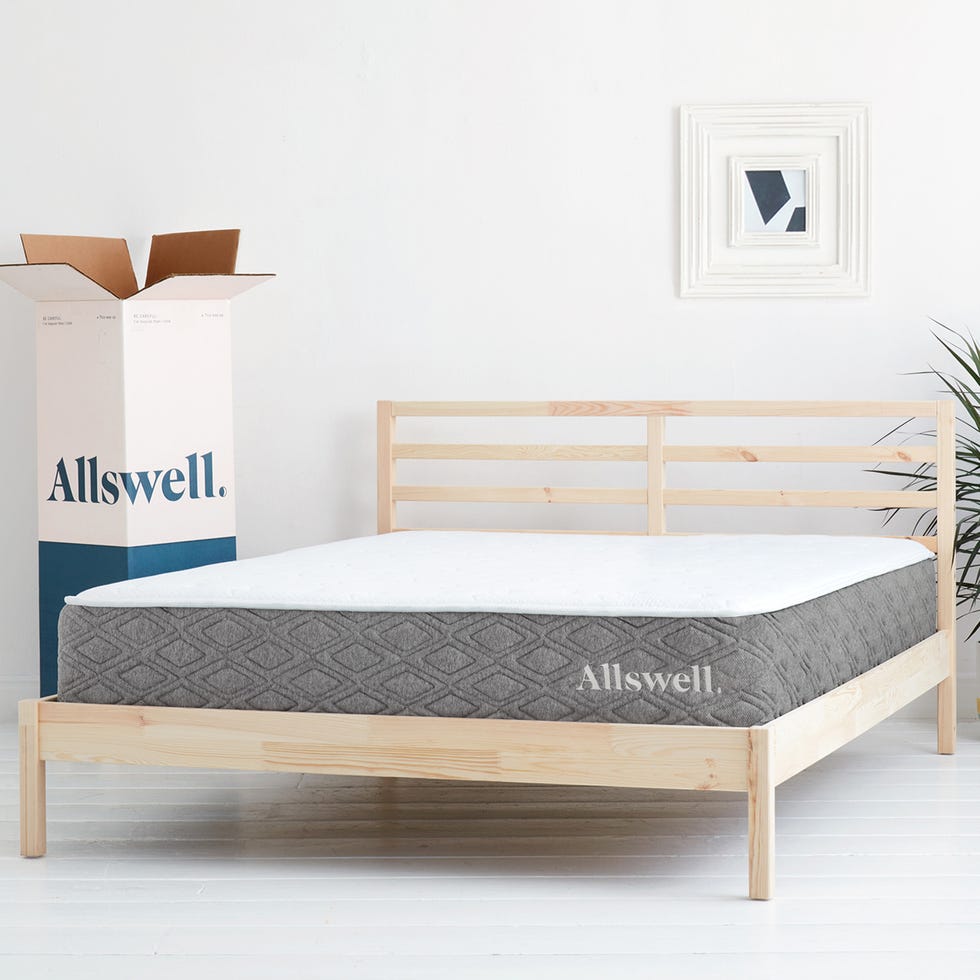
Allswell's Luxe Hybrid is made from layers of innovative memory foam with individually wrapped coils for the perfect blend of comfort and support. It all adds up to a medium-firm feel—a good medium for most people, gently contouring to your body. The mattress is encased in a fabric designed to feel cool to the touch, so you’re not just getting a cheap bed; you’re getting a great budget buy that promises to keep you cool all night long.
And the big bonus: The CertiPUR-US certified foams are made without toxic chemicals like mercury, lead, formaldehyde, and phthalates. This sleeper shows you don’t necessarily need to “invest” thousands in a mattress for it to be just what you need for a good night’s rest. A queen-size option is available for less than $400 delivered.
| Mattress Type | Memory foam |
| Firmness Options | Medium |
| In-Home Sleep Trial | 100 nights |
| Warranty | 10 years |
| Shipping | Free within contiguous U.S. |
Tuft & Needle Essential T&N Original

Tuft & Needle Essential T&N Original
Pros
- Great price point for what you get
- Ideal for back and stomach sleepers
- Cooling knit layer
- Memory foam top layer
Cons
- Side sleepers might want a more plush mattress
Tuft & Needle's Original Mattress hits all our best marks for a Goldilocks sleeper. The mattress has a medium-firm feel with a memory foam top layer and a supportive foam stability layer. Our favorite detail is the cooling knit top of the mattress, which helps make the memory foam mattress layer feel 10x more comfortable. But best of all about this sleeper is its price point: Tuft & Needle has found the perfect sweet spot for providing a whole lot of value for under $1,000.
Thanks to a supportive design, the mattress caters to both back sleepers and stomach sleepers exceptionally well. It's also worth mentioning that buying mattresses for stomach sleepers can be difficult, so it's nice to see the T&N Original provide enough support to keep most sleepers' hips from sinking down too far into the bed. (Allowing the hips to sink too far when sleeping on your stomach can result in some nasty back pain.)
One of our testers said, “I like the responsiveness of the foam—it's firm, but you sink in just enough. You do not sink in too much, but it is still very supportive and comfortable.” They did, however, state, “It could honestly be slightly less responsive, but if someone didn't want that, they might not want to try a memory foam mattress.” Overall, they noted, “My sleep has been better, objectively. When I sleep on my girlfriend's older mattress, I can tell the difference right away—my back feels great, and it's a very comfortable sleeping experience.”
The only qualm about the T&N Original is that some side sleepers may want to opt for something a tad more plush. The good news is the 100-night sleep trial gives plenty of time for personal testing. The 10-year limited warranty is a solid bonus, as is the free delivery and free returns.
| Firmness Options | Medium-firm |
| Mattress Type | Memory foam |
| In-Home Sleep Trial | 100 nights |
| Warranty | 10 years |
| Shipping | Free (with free returns) |
Tempur-Pedic TEMPUR-Adapt Mattress

Tempur-Pedic TEMPUR-Adapt Mattress
Pros
- Advanced adaptive support technology
- Incredibly soft yet supportive
- Excellent motion isolation
- Durable construction with a long lifespan
- Cooling
Cons
- Needs a high-quality (pricey) bed frame to get the most out of it
When you think of an adjustable bed, it’s hard to get more robust than the excellent TEMPUR-Adapt from Tempur-Pedic. When paired with the brand's Smart Base, the mattress can be adjusted to several positions, including a more upright one for reading or watching TV. If you or your partner tends to be a snorer, a gentle incline of the head can help ease it up and give you both a good night’s rest.
The mattress is also enhanced with advanced motion-absorbing properties. So you and your significant other can sleep comfortably and undisturbed through each other's shifting, thus ensuring you wake up feeling fully rested and refreshed.
“I love the mattress, though I should note there is no such thing as too firm of a mattress in my opinion, and this thing is FIRM. I sink into it just enough that it’s comfortable but still keeps my back/body straight. I’ve also sat on things with a full coffee, glass of water, and can of beer placed on it next to me, I moved around and shifted my body, and they’ve never split or even shaken (though I admit I am tempting fate here),” exclaimed our tester. How have they slept on it? “Incredible, I've been sleeping possibly too well on it. I'm not someone who traditionally sleeps in or even relies heavily on an alarm, and I've found myself knocking out for 9+ hours on this thing pretty regularly to the point I've had to recommit to the alarm lifestyle. Also, not to sound 100 years old, but my back has felt amazing since sleeping on it.”
This mattress, as with all Tempur-Pedic mattresses, is pricey at more than $3,000 (for a queen). You'll want to invest in a premium (and probably pricey) frame, too, to protect and get the most out of your new mattress. But, if only the best will do and you don't mind splurging, this is easily one of this year's best mattresses for men.
Read More: Best Comforters on Amazon
| Firmness Options | Soft, medium, medium hybrid, firm |
| Mattress Type | Memory foam |
| In-Home Sleep Trial | 90 nights |
| Warranty | 10 years |
| Shipping | Free within contiguous U.S. |
DreamCloud Hybrid Mattress

DreamCloud Hybrid Mattress
Pros
- Under $700 (for a Queen-sized)
- Soft cashmere quilted top
- Balanced firmness and feel
- Free shipping and free returns
- Lifetime warranty
Cons
- Edge support is a little weak
Shopping for the right cooling mattress (with the perfect firmness and the right cooling materials, all at the right price) is hard enough. But finding the best cooling mattress when you’re a couple is enough to test any relationship.
The DreamCloud is designed to be all things to all sleepers. The hybrid construction blends wrapped coils (to maximize airflow) and proprietary gel memory foam (for the perfect balance of comfort and support) with a cooling cashmere-blend (yes, really!) cover. Our sleep-loving testers found this a winning combination that wicks away heat like a champ. After months of testing, one of our "hottest" sleepers noted, “This is the first mattress in a long time where I didn’t wake up every few hours drenched in sweat. I’m keeping this one.”
What’s more: By combining individually wrapped coils with a moisture-absorbent foam layer, this mattress almost completely eliminates motion transfer. For couples who tend to flip and flop in the night, it’s a godsend.
“I really like how it's both soft and supportive—I don't sink into it like I would a foam mattress (i.e., the kind that feels nice for a second but is murder on your back and makes getting up/moving around a hassle), but I also don't feel any springs pushing up against me and making it feel too bouncy,” said another tester. “It's a really nice mix of foam and innerspring mattress, and it cradles my body while still letting me move around. (As a note: I'm a restless sleeper, tossing and turning, but the mattress seems to absorb a lot of that motion so the bed doesn't feel quite so reactive to my movements.)"
They also noted that it’s not for everyone. “My wife has a bad back and tends to need a little more support than I do, so for those who need that kind of spring support (especially for your back), it's not ideal.”
The best part? It’s also one of the most affordable cooling mattresses we tested in the past year. A queen is available from $799 delivered. Plus, you’ll get free returns, a 365-night in-home trial, and a lifetime warranty.
Read more: Best Pillows for Stomach Sleepers
| Firmness Options | Luxury Firm |
| Mattress Type | Hybrid |
| In-Home Sleep Trial | 365 nights |
| Warranty | Lifetime |
| Shipping | Free within contiguous U.S. |
Casper Sleep Snow Mattress

Casper Sleep Snow Mattress
Pros
- Cooling gel pods for relief and temperature regulation
- Great for all sleep styles
- Very durable construction
- Easy setup
- Hybrid design balances comfort, support, and cooling
- Thermal bands regulate temps
Cons
- Expensive
- May not relieve pressure for some
The Snow is Casper’s premier sleep surface for the hottest of sleepers. It’s built with a long list of high-tech features to absorb and dissipate heat no matter how toasty you get. If you're looking for the best cooling mattress with maximum pain- and pressure-relieving back support, then you'll want to take a look at this mattress. With its conforming memory foam, you get one comfortable mattress for enhanced support and a cooling touch. With its thermal bands, it helps to regulate heat for 12+ hours, while the phase change materials help pull heat away from your body, and the cool touch cover gives it a “brisk” feeling.
Our panelists unanimously agreed that the combination of flex coils, multiple layers of foam (each with its own unique comfort and cooling characteristics), and the snow cover is a winner. This is a solid cooling mattress option for couples.
“It’s very firm, and it does not transfer motion, when you turn over, your partner barely notices,” explained our tester. ”Even when a 70-pound Bernadoodle jumps up on the bed, there's not too much movement.” This is definitely the pick for those who prefer something a little firmer than most. “The wife says it's a little too firm, but I like it. and it's heavy when you make it and have to lift it to tuck in the sheets.”
At more than $2,000 for a queen, this mattress is a bit of an investment but relatively affordable for all the built-in cooling tech. The free shipping and free returns are included, along with a 100-night sleep trial and a 10-year warranty. Plus, Casper is a regular favorite among our sleep-savvy panelists, so we confidently recommend the Snow Cooling Hybrid to anyone looking for a cooling mattress that’s great for back pain, too.
| Firmness Options | Medium |
| Mattress Type | Hybrid |
| In-Home Sleep Trial | 100 nights |
| Warranty | 10 years |
| Shipping | Free within the U.S. |
Purple RejuvenatePremier Mattress

Purple RejuvenatePremier Mattress
Pros
- Hybrid design is extremely comfy
- Supportive GelFex
- Excellent cooling tech
- Free shipping and free returns
Cons
- Extremely expensive
Purple’s proprietary GelFlex Grid might be our favorite mattress innovation since the adjustable frame. It’s not just a marketing gimmick. We can confirm it’s the real deal—it’s soft yet adaptive, so it works with your body size, weight, and preferred sleep position to deliver serious pressure relief. That makes it very, very comfortable. Not surprisingly, it’s been a consistent favorite among our mattress test panel for years. But because it relies on hundreds of open channels, it’s also amazing at shedding body heat and keeping hot sleepers cool.
The Rejuvenate line from Purple just recently got an overhaul, and this Premier has not disappointed. As our tester who has an old back injury notes (and has had excellent sleep on this), "It's got the perfect amount of bounce and give, to the point where I don't even think about whether or not I'm feeling supported. It's very accommodating. I can sleep in any position and feel fully supported."
Keep in mind that this is a luxury mattress with a luxury price tag to match. Expect to pay north of $6,000, even when it’s on sale. But Purple does offer a 10-year warranty and a 100-night in-home trial. So there’s that.
| Firmness Options | Medium-plush/firm |
| Mattress Type | Luxury hybrid |
| In-Home Sleep Trial | 100 nights |
| Warranty | 10 years |
| Shipping | Free within US |
Avocado Green Mattress

Avocado Green Mattress
Pros
- Made with eco-friendly organic materials
- "Best of both worlds" hybrid construction
- Plush firmness ideal for side sleepers
- Built-in handles allow for easy setup and moving
- Several firmness options available
Cons
- A bit soft on the edges
Unlike most hybrid mattresses, which are a combination of memory foam and innerspring coils, Avocado's Green Mattress contains over 1,400 pocketed support coils arranged in five zones for more calculated comfort. The materials used consist of 100 percent GOLS (Global Organic Latex Standard) certified organic latex, 100 percent GOTS (Global Organic Textile Standard) certified organic wool, and 100 percent GOTS-certified organic cotton. These certifications ensure you're sleeping on the highest premium quality materials—no polyester, polyurethane foams, or toxic fire retardants. It's another great option for buyers who are extra conscientious about the products they bring into their homes, even their mattresses.
Personally, I love my Avocado mattress. Having owned one for the past two years, I can safely say that it has drastically improved my overall sleep. Not only has my sleep improved from a quality standpoint, but I have gotten to the point where I actually look forward to crawling into bed. I find a firmer mattress to be ideal, and the beauty of Avocado is that it comes in firm, medium (with a pillow topper), and plush (with a box topper).
And if you like a more plush-feeling mattress, you can upgrade to an attached European-style pillow-top filled with an additional two-inch layer of GOLS organic certified latex rubber foam. Ideal for all side and combination sleepers, it provides superior pressure relief and a luxurious feel. With a starting price of $2,000 (closer to $3,000 for the plush version), it ain't cheap. But Avocado does throw in free shipping and a 25-year warranty to protect your investment.
Read More: Best Sleep Gadgets
| Firmness Options | Firm, medium, plush |
| Mattress Type | Hybrid |
| In-Home Sleep Trial | 1 year |
| Warranty | 25 years |
| Shipping | Free within contiguous U.S. |
WinkBeds The WinkBed
WinkBeds The WinkBed
Pros
- Fluffy pillow top cover
- Solid edge support
- Cooling gel-infused surface
- Free shipping and free returns
- Lifetime warranty
Cons
- Longer-than-average delivery times (due to high demand)
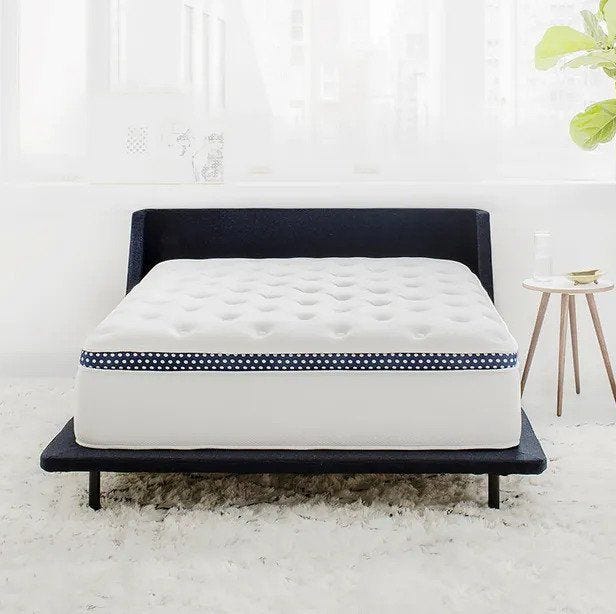
Side sleepers ideally need a medium-firm consistency, as you want something that's soft in order to support the positioning of your shoulders and hips but not be too stiff. Basically, side sleepers should feel like they’re slipping into a plush and supportive cloud when they fall asleep—and The WinkBed (in luxury firm) makes it happen.
On top of the mattress, there’s a soft cover derived from Tencel, a natural, eucalyptus-based performance fabric that's cool to the touch. The next layer is a pressure-relieving, quilted Euro-pillow top that ensures your back, hips, and shoulders receive superior cushioning and support. And lastly, there’s a layer of individually wrapped pocketed coils, and an extraEDGE support system provides a more sleepable area through enhanced edge support. You get a high level of cushioned comfort and breathability at a not-too-crazy cost. Sounds pretty nice, right?
Read More: Best Pillows for Side Sleepers
| Mattress Type | Hybrid |
| Firmness Options | Softer, Luxury Firm, Firmer |
| In-Home Sleep Trial | 120 nights |
| Warranty | Lifetime |
| Shipping | Free within contiguous U.S. |
Helix Midnight Luxe

Helix Midnight Luxe
Pros
- Durable handles on ends for moving
- Ideal for every kind of sleeper
- Superior temperature regulation
- Tremendous spine support
Cons
- Can be too firm or soft for the pickiest sleepers
Back support is key, even if you don't have a sore back. That's because looking after your lumbar region improves posture, prevents injury, and can lead to better sleep. This mattress is a spine's best friend, with steel coils that really offer the lift you need and a foam layer that really cradles the body. We opted for the upgrade, which includes an added layer of ErgoAlign firm foam beneath your hips, bottom and lower back to reduce stress points and help give extra support to the lumbar zone. Those among us with a history of back issues loved the feel of this mattress, no matter what the position (back, side, stomach).
Hot sleepers will appreciate the cool touch of this mattress. It's also quite tall, giving it a chic look at elevating your bedroom to resort-level status. The firmness is a perfect medium, enough to feel carried while also soft enough to absorb more angular body parts like hips and shoulders. The pillowy cover gives it cloud-like comfort and the fact that it's often on sale is a big perk.
Be advised as we have heard chatter of varying firmness levels even within the same mattress. While we're fans of this one, we do suggest trying one out beforehand if possible.

Features at a Glance
| Firmness Options | Medium firm, plush |
| Mattress Type | Foam |
| In-Home Sleep Trial | 120 days |
| Warranty | Lifetime |
| Shipping | Free in contiguous U.S. |
Leesa Sapira Hybrid Mattress

Leesa Sapira Hybrid Mattress
Pros
- Tasteful, textured top layer
- More than 1,000 individually-wrapped springs
- Incredibly even support across entire surface area
- Ideal for nurturing aches or injuries
Cons
- A bit heavy and cumbersome to move
Are you an antsy sleeper? Is your partner? There's a mattress for that. This one not only feels great but welcomes movement as that activity is virtually locked in place, so as not to disturb your other half. Moreover, this mattress entices with an inviting medium-to-medium-firm feel. The cover is exceptionally breathable and we found the temperature regulation to be just about ideal, no matter what the season.
The dual foam layers truly eat up any motion while offering support in droves. And it doesn't hurt that the mattress comes with more than 1,000 individual springs, allowing for support all the way to the edges and encouraging sleepers to utilize every inch of the surface. Our team really enjoyed stretching out on this one, sleeping like starfish to take full advantage of the evenness at play. Some mattresses have weak points in terms of support, even if small, but we couldn't find one here.
We found that those in our camp nursing injuries really liked this mattress as well. Many thought their sleep improved, compared to their old mattress. It doesn't hurt that the signature cover offers lovely texture and some tasteful stripes.
One small gripe: The mattress could use some handles on the side to make setup a bit easier as it is on the heavy side.
Read More: Best Sound Machines
Features at a Glance
| Firmness Options | Medium firm, plush |
| Mattress Type | Hybrid |
| In-Home Sleep Trial | 120 nights |
| Warranty | Lifetime |
| Shipping | Varies |
Layla Hybrid Mattress

Layla Hybrid Mattress
Pros
- 2-for-1 mattress
- Copper-infused memory foam is cooling and antimicrobial
- Individually wrapped coils for support and motion isolation
- CertiPUR-US certified foams
- Removable and washable cover
- Lifetime warranty
- Free shipping and returns
Cons
- Heavy to flip solo (Queen is 100+ lb.)
- Soft edge support
Your life isn’t static and your mattress doesn’t need to be either, especially when it comes to its firmness. As life goes, your weight may change, as well as your favorite sleep positions, your bad back may act up on any given week, and who you decide to share your bed with all will likely ebb and flow. The solution is picking up a hybrid mattress like this one from Layla which helps alleviate those headaches the old-fashioned way: Simply flip your mattress over and you’ve got an entirely new sleeping surface. One side is plush, with a medium-soft build made perfect for side sleepers who like a little hug at the hips and shoulders. The other gives you a medium-firm support with slightly better bounce and airflow, better suited for stomach and back sleepers who need more firmness.
Note: For those who may not know, it’s good protocol to rotate your mattress at least once or twice per year (at a minimum), rotating head-to-foot. This helps to ensure that the mattress doesn’t wear out unevenly over time, creating sagging by consistent sleep positions. Flipping the Layla is a different move altogether though, as you’re getting a completely different sleep surface and firmness, instead of just extending the life.
Both sides use a copper-based, gel-infused memory foam layered over a pocketed coil system, giving you a true hybrid construction with solid cooling abilities and just enough motion isolation. Plus, the cover is easily removable and machine washable for easy upkeep.
While other systems like a Sleep Number bed may be super convenient, what’s not is its price tag, which is why this mattress is so appealing. Plus, those air chambers that adjust support can wear down over time and begin to leak, and the pump or motor can fail too (massive, potential long-term additional investments). With this one, flip it and forget it.
| Firmness Options | Dual-sided: Medium Soft or Medium Firm |
| Mattress Type | Hybrid |
| In-Home Sleep Trial | 120 nights |
| Warranty | Lifetime |
| Shipping | Free within contiguous U.S. |
Bear Natural Latex Mattress

Bear Natural Latex Mattress
Pros
- Organic cotton, natural Talalay latex, no synthetic foams
- Excellent spine alignment and edge support
- Fiberglass free
- Stays very cool
- Limited Lifetime Warranty
Cons
- Runs pricier than similar models
- Not ideal for lighter sleepers
- Only comes in medium firm
While the Avocado took our top spot for best organic mattress, this category is deep enough among natural mattresses to have a second entry, especially considering Bear Natural made our 2025 Sleep Awards. Here's what we said back then about it, which still rings true.
More and more brands are going au naturel, and we’re here for it. The Bear Natural ditches sketchy foams for organic cotton and latex, so there’s no funky “new mattress” smell when you unbox it. Add in coils that comfortably hold up your back and a breathable build that keeps you from overheating, and you’ve got an eco-conscious bed that’s sturdy, supportive, and comfortable.
Perfectly pairing a GOTS-certified organic cotton cover with a layer of sustainably sourced Talalay latex, this setup is sitting on a zoned coil system that feels ideally firm right under your hips as well as providing real spinal support, especially for the lower back. Continuing the “healthy” build, it is also fiberglass-free and is GreenGuard Gold certified. Similar to the Avocado, the latex gives you a more responsive feel with just enough bounce, which is great for adult activities with your partner; however, this can be less ideal for light sleepers when partners toss and turn.
| Firmness Options | Medium firm |
| Mattress Type | Latex hybrid |
| In-Home Sleep Trial | 120 nights |
| Warranty | Limited Lifetime |
| Shipping | Free within contiguous U.S. |
Stearns & Foster The Reserve Collection

Stearns & Foster The Reserve Collection
Pros
- Hand-tufted and hand-sewn construction
- Cover is cooling, plus moisture-wicking
- Memory foam for deep pressure relief
- Free white glove delivery and old mattress haul-away
Cons
- Expensive
- Only 90-night trial and 10-year warranty
- Pillow top options add $1,000
If you’ve got the funds to really deck out your sleep zone, the Reserve is worth it. The cover has moisture-wicking fibers to keep sweat off your skin, while its cushioning molds to your body way better than standard memory foam so your shoulders and hips don’t ache. Underneath, high-density coils add airflow and keep the mattress from sagging at the sides, giving you cooler, more consistent comfort every night.
The result is a mattress that is genuinely hand-built, and its craftsmanship shows. While the Reserve sits at the top of Stearns & Foster's lineup, the details make it worth its high cost, as you get a hand-tufted cover, Tempur-indulge foam (from Tempur-Pedic), and a coil system that adapts to your weight and movements throughout the night. The standard mattress comes with a medium firmness, but for a bit more, you can have it crafted with a pillow topper in either firm or soft builds. While it is not affordable and the trial is only 90 days, this is one piece of bedroom furniture that truly is worth the investment.
| Firmness Options | Pillow Top Soft, Medium, Pillow Top Firm |
| Mattress Type | Hybrid |
| In-Home Sleep Trial | 90 nights |
| Warranty | 10-Year Limited |
| Shipping | Free white glove delivery within contiguous U.S. |
Mattress Cooling Systems

Working as the USA Olympic Weightlifting Sleep and Circadian Program Director, Dr. Durmer found lots of success in introducing cooling mattress toppers to the USA Olympic Weightlifting team; "In preparation for the 2020 Tokyo Olympics, and again for Paris this year, one of the changes to our athlete's sleeping habits includes the addition of active (microtube water system) cooling mattress toppers," says Dr. Durmer.
Dr. Durmer notes the feedback from the athletes was incredibly positive, especially for athletes with larger bodies; however, he also adds that cooling mattress toppers can be beneficial to all types of individuals. " I endorse the use of active cooling toppers, especially for those who sleep hot, suffer with aches and pains, or like to keep themselves at a more constant temperature throughout the night," says Dr. Durmer. So yes, even if you're not a world-class weightlifter (though some of us think we are) there are huge potential payoffs to sleeping on a cooling topper. Dr. Durmer recommends both the Eight Sleep and Chilipad options, but the Orion is another fantastic option, too.
Eight Sleep Pod 5 Cover

Eight Sleep Pod 5 Cover
Pros
- Cools down to 55 degrees Fahrenheit
- Heats to 110
- Auto-temp technology adjusts to your sleep patterns
- Includes extended sleep tracking
- Can adjust temperature on your phone
Cons
- More expensive than most mattresses
- Setting it up can be a challenge
- Subscription required for the first year
Still the king of bed cooling systems, Eight Sleep takes the crown for top overall cooling system. Point blank: Eight Sleep's systems have changed the way our staff sleeps, including our Deputy Editor Christian Gollayan (and myself)—in the best way possible. "I'm a very hot sleeper, and Eight Sleep's high-tech cover has stopped my night sweats even on the hottest evenings," Gollayan says. The secret sauce to Eight Sleep's Pod Cover is its Smart Hub that pumps water through the cover and on top of your mattress, which can either cool it down to 55 degrees or heat it up to 110 (perfect for wintertime). The system runs on its software known as Autopilot and is required for the first 12 months. The Pod 5 has auto-temperature tech, which changes throughout the night based on your sleep pattern, and tracks your sleep throughout the night (including heart rate, HRV, respiratory rate, and snoring) and gives you a sleep score the following day, which is pretty similar to the Oura Ring's interface.
After three months of testing, Gollayan says his sleep has improved tremendously. "The Pod 5 Cover has helped me sleep through incredibly hot summer evenings, and the sleep tracking feature helps me stay on top of my recover," he says. Our editors also love that Sleep Eight allows you to create custom temperatures for two sides of the bed, which is great for couples. Though one thing to note, it's quite expensive, but if you can afford it, Eight Sleep's next-gen features are worth the hefty price tag.
| In-Home Trial | 30 days |
| Bed Coverage | Full |
| Available Sizes | Full, queen, king, Cali king |
| Subscription? | Yes |
| Warranty | 2 years standard, up to 5 years with enhanced/elite |
Orion Sleep System

Orion Sleep System
Pros
- No subscription required
- Dual-zone cooling and heating from 50°F to 115°F
- Quiet hub
- Fast setup
- HSA/FSA eligibl
Cons
- Orion Intelligence subscription ($250/year) is needed for full sleep tracking
- Shorter brand track record
- Sleep-stage detection still improving
If you’re looking for a solid system that doesn’t require a subscription on day one, Orion’s sleep setup is the best value on the market. For starters, it utilizes a dual-zone water cooled cover that fits over any mattress (same as the Pod), but this one gets colder and hotter than Eight Sleep, ranging from 50 to 115 degrees Fahrenheit. What you get is a system that offers temperature scheduling, auto on/off, dual-zone control, and a 2-year hardware warranty. If you want all the sleep metrics possible, you can upgrade to the Orion Intelligence AI pan ($250 a year) and you get all the insights: nightly sleep score, HRV trends, respiratory patterns, and the AI even recommends temp settings based on your data over time.
Setup is super fast at under 10 minutes (better than Eight Sleep’s listing of 30 to 60 minutes), it runs much quieter (around 24 decibels) and it cools nearly equally as fast as Eight Sleeps Pod. If you’re looking for the smarter investment, just get this one.
| In-Home Trial | 30 nights |
| Bed Coverage | Full |
| Available Sizes | Twin, full, queen, king, Cali king |
| Subscription? | Not required for core features; optional Orion Intelligence plan is $250/year |
| Warranty | 2-year |
Sleepme Chilipad 2.0

Sleepme Chilipad 2.0
Pros
- Heats and cools from 55 to 115 degrees
- No subscription required (including scheduling and app control)
- Industry-first nightstand remote
- In-bed detection auto-triggers your sleep schedule
- HSA/FSA eligible
- Works with adjustable and split-adjustable bed bases
Cons
- Only covers half the bed
- Pump noise noticeable to light sleepers
Most cooling systems miss one key detail: What if your partner isn’t a fan of using the system (or you just want a solo temp control)? That’s where the Chilipad 2.0 stands out from the rest. This system still delivers elite chill for way less (for half bed models) and is perfect if you have a partner who doesn’t want one—but they’re not bad to use two in tandem, though each needs its own dock. The system uses channels to flow the water through its machine-washable cover to heat or cool from 55 to 115 degrees. It can be adjusted via its app, or if you’re anti phones in the bedroom at night (like a diehard biohacker), you can adjust it via the new nightstand remote.
This one is also HSA/FSA eligible, which means you can put your pre-tax dollars toward buying it, too. If you do want full bed coverage, you can grab it for two sleepers as well, although the price tag matches Eight Sleep’s Pod. The smart play is to start with the half, single zone, and then you can grab the Companion extension unit later on if needed (from $1,199 to $1,599), which is still cheaper than buying a second unit. The best part though is no subscription is required to get all the features.
| In-Home Trial | 30 nights |
| Bed Coverage | Half (single-zone), covers one side of bed |
| Available Sizes | Twin XL, half full, half queen, half king, half Cali king, half split king |
| Subscription? | No, all features included with purchase |
| Warranty | 2-year limited |
What to Consider
Firmness
This is going to come down to a personal preference. There are generally three different firmness levels: firm, medium, and plush. For those who are back and stomach sleepers, a firm mattress may suit you best. Side sleepers, back, or a combo of both can benefit from a medium firmness, as this allows for better body contouring while you’re sleeping. For those who need additional support for pain relief, a plush mattress is a great choice.
Mattress Type and Material
There are, generally, three different types of mattresses: foam (including memory foam) mattresses, innerspring mattresses, and a hybrid of the two. In general, foam mattresses tend to be a little firmer, innerspring models a little bouncier, and hybrid mattresses tend to be a middle ground of the two.
The best memory foam mattresses are soft yet supportive, and made to naturally contour to your body's size and shape. This results in a more "body-hugging" feel than traditional innerspring mattresses. Hybrid mattresses combine an innerspring coil support base with a thick memory foam comfort layer. In the best hybrid mattresses, the result is a "best of both worlds" mattress that's extremely supportive and contouring enough to please a wide range of sleep styles and preferences.
Sleep Position
Knowing how your sleep position correlates with the different types of mattresses will set you up with one that's comfortable for you. "Side sleepers tend to need more cushioning to accommodate shoulders and hips, while retaining a firmness associated with their habitus," says Dr. Durmer. "Back and stomach sleepers often require a bit less cushioning, however, this is also a personal preference."
Body Type
When it comes to finding a comfortable mattress, you also need to consider your body type. "Larger, heavier individuals must consider a mattress designed with increased density, as it will provide structural support and help limit joint and soft tissue discomfort," says Dr. Durmer. "A few examples of beds for this body type include adjustable air beds, firm hybrids, memory, and foam mattresses."
On the flip side, Dr. Durmer notes that smaller, lighter individuals sleep best with softer cushioning so their body contours can more easily be supported. "A less firm version of any of the different types of mattresses works well, however, memory foam is oftentimes a bit too firm," says Dr. Durmer.
Temperature Regulation
The best mattresses provide solid temperature regulation, which is especially important for "hot" sleepers. The most premium quality models feature memory foam top layers and gels designed to draw heat away from the body, so you stay cool and comfortable all night long.
Motion Isolation
For couples where one or both partners toss and turn during the night, that motion/vibration can be a real problem. Look for a mattress with solid motion isolation, which allows each partner to flip and flop all night long without disturbing their significant other. The best way to test this out, of course, is to do so in person.
In-Home Sleep Trial
It's best to shop in person whenever possible. If you can't or just don't want to, be sure to shop mattress brands with a solid in-home sleep trial of at least 90 nights. Three months is plenty of time to test out a new mattress in your own home to make sure it'll work for you. Check the fine print to confirm what fees are involved with returning your mattress after the trial. Some brands and retailers offer free shipping, but not free returns, and some charge additional return/restocking fees that can add up to hundreds of dollars.
Warranty
Any mattress worth buying should come with a minimum 10-year warranty. The best mattress brands even offer 25-year or lifetime warranties, so you know they really stand behind their products.
Meet the Expert
- Jeffrey Durmer, MD, PhD, is a sleep and circadian neurologist of over 20 years. He's the chief medical officer at Absolute Rest, a company that develops personalized systems to optimize sleep for athletes and high performers. Dr. Durmer has worked with organizations like the NFL's Atlanta Falcons and the United States Olympic Weightlifting team as their Sleep Performance Director. Additionally, he serves as a Sleep Medicine advisor to the Federal Aviation Administration.
Frequently Asked Questions
Which Mattress Firmness Is Best for You?
Like Dr. Durmer mentioned, back and stomach sleepers usually require less cushioning, while side sleepers need more cushioning. This is all relatively subjective, though, because it still comes down to personal preference. There are also no real strict standards for firmness across mattress makers. One manufacturer’s “firm” might be another’s “medium-firm.” The only way to know for sure if a mattress is right for you is to test it out, ideally in person. That's why it’s so important to double-check any in-home trials and warranties.
Even if a mattress seems like a good fit at first, you may not like it as much six months from now. It’s essential to know that you can return or exchange it and how much it'll cost you to do so. Some companies offer free shipping but may charge extra to return a non-defective mattress. These return fees can vary from as little as $50 to several hundred dollars—costs that can seriously add up.
What Is the Best Mattress for Hot Sleepers?
If you are a hot sleeper and sweat a lot at night, then there are a couple of actions you can take to optimize cooling in your sleep. The first, and probably easiest, is by adding a cooling mattress topper. Second is you can look for a mattress that prioritizes temperature regulation in its design. Dr. Durmer notes that in toppers and in mattresses you can look for an open-cell foam design in order to help dissipate heat from the mattress itself.
A third action is purchasing a surface temperature regulating pad. We love how the Eight Sleep Pod Cover provides a constant cooling surface all night long.
Jeff Turbett is a fitness and wellness writer who's based in Miami, FL. His work has been featured in The Manual and FightCamp.
Ryan Brower is the Senior Gear and Reviews Editor at Men’s Health, where he tests the best products in outdoor gear, tech, running shoes, and more. He has written about the outdoors for nearly two decades and was previously the Managing Editor, Content Performance at Gear Patrol. He holds a B.A. in Sport Management and is a Certified Beer Server, having previously covered the craft beer industry. Ryan currently lives on the water in New Jersey with his wife and their dog.

Readers Also Read

10 Best Golf Shoes to Bring Out Your A-Game

Our Editors Found the 10 Best Walking Shoes

Headphones Tough Enough for Any Workout

The Secret to Picking Your First Set of Golf Clubs


