
Grip strength is a quality that has a huge downstream effect on how strong you actually are. In many movements, if your hands give out, everything else is irrelevant – your deadlifts stall, your rows get cut short, your loaded carries quickly turn into ‘put-downs’.
All that, and the fact that rolling up your sleeves to reveal a beefy set of forearms is one of the most understated flexes a man can ever pull off.
The issue is, there are only so many days in a week – most people assume they need to bolt on extra forearm work, and that they simply don’t have time for it.
But there's a simple fix.
Some of the girthiest forearms I’ve ever seen belonged to people who never trained forearms directly. They’d just spent years holding onto heavy weights for dear life, session after session. The common thread? They resist the urge to reach for straps at the first sign of fatigue during pulling movements. Instead, they push their grip as far as it’ll go, only using assistance when it genuinely becomes the limiting factor.
That’s the sweet spot. Ditch the straps for as long as you can, force your hands to adapt, and only bring them in when your grip starts capping progress elsewhere. Do that, and your forearms will grow as a byproduct of better training – not extra training.
What to read next
That being said, here are some of the most effective moves you can build into your training, to beef up those grabbers, without taking away from the rest of your training.
5 Best Movements for Incidental Grip Training
Farmer’s Carries
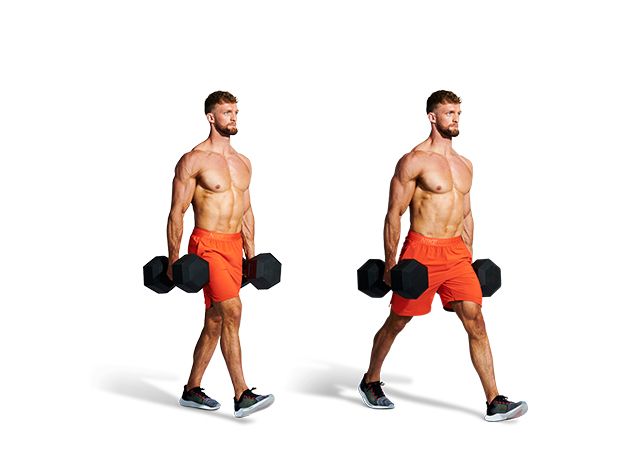
If there’s a single move that delivers the most return on your grip, it’s this. Pick up the heaviest dumbbells, kettlebells or trap bar you can manage and go for a stroll. Your fingers, hands and forearms are under constant, crushing tension, while your traps, upper back and core fight to keep you upright. Keep your rib cage down, arms straight and stride on with purpose. Aim to extend either distance or load week to week. When your grip starts to fail, resist the urge to drop early – those last few seconds are where the adaptation happens.
Heavy Dumbbell Walking Lunges
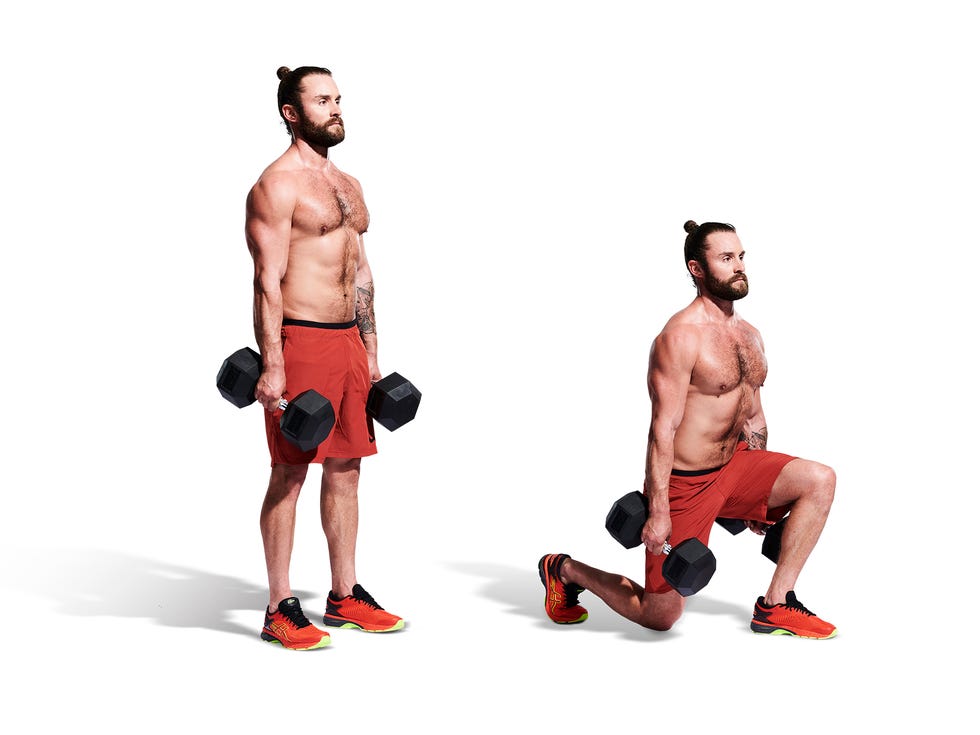
Lunges load your lower body, but when you’re holding serious weight, your grip becomes the weak link. That’s exactly what you want here. The good news is, as lunges are a unilateral movement, you don’t necessarily need as much weight to fry your lower body. These are real ‘sweet spot’ movement between building crushing grip endurance, and growing those pins
Towel Pull-Ups
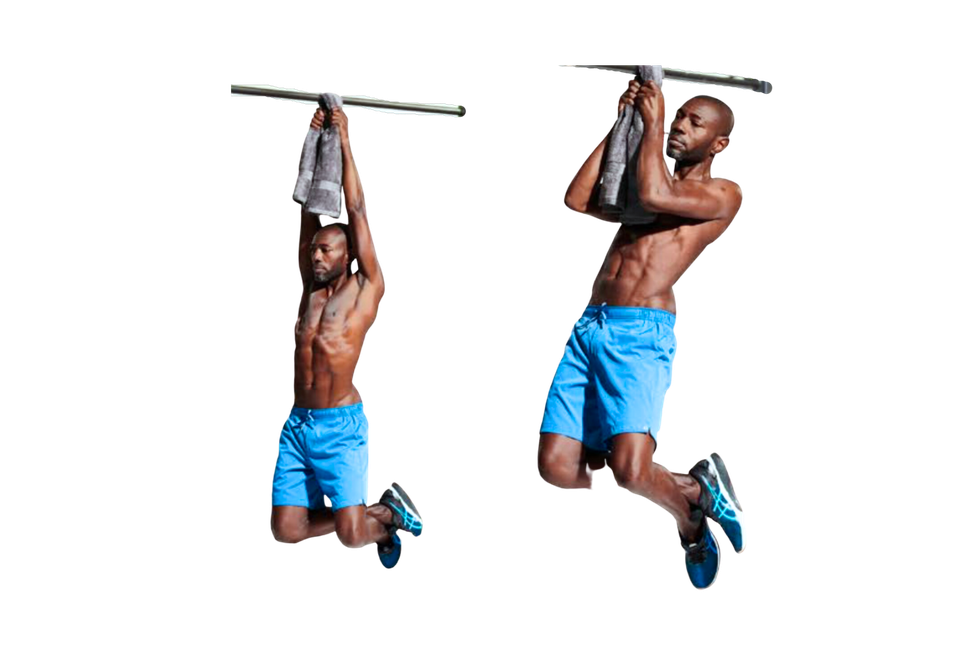
Swap the bar for your gym towel and suddenly pull-ups are a very different animal. The thicker, unstable grip forces you to squeeze harder through every rep, lighting up your forearms while your lats and biceps do the heavy lifting. Chuck a towel or two over a pull-up bar, grab tight and pull. If full reps are out of reach, start with dead hangs or controlled negatives. Progress by increasing hang time or building up to full sets – your grip will catch up quickly.
Rope Climbs / Sled Pull

There’s a reason these have stuck around in combat sports and old-school strength training. Climbing a rope demands full-hand engagement – fingers, thumbs and wrists all working together – while your upper back and core drive you upwards. Even if you don’t have the ceiling height for full climbs, partial climbs or repeated holds will build serious grip endurance. Focus on clamping the rope hard and moving with control, not speed. Sled pulls do some of the same work, but try not to rest or relax your grip – you can’t do that when you’re climbing, so if you want the same stimulus, keep that rope crushed.
Heavy Shrugs (no straps)
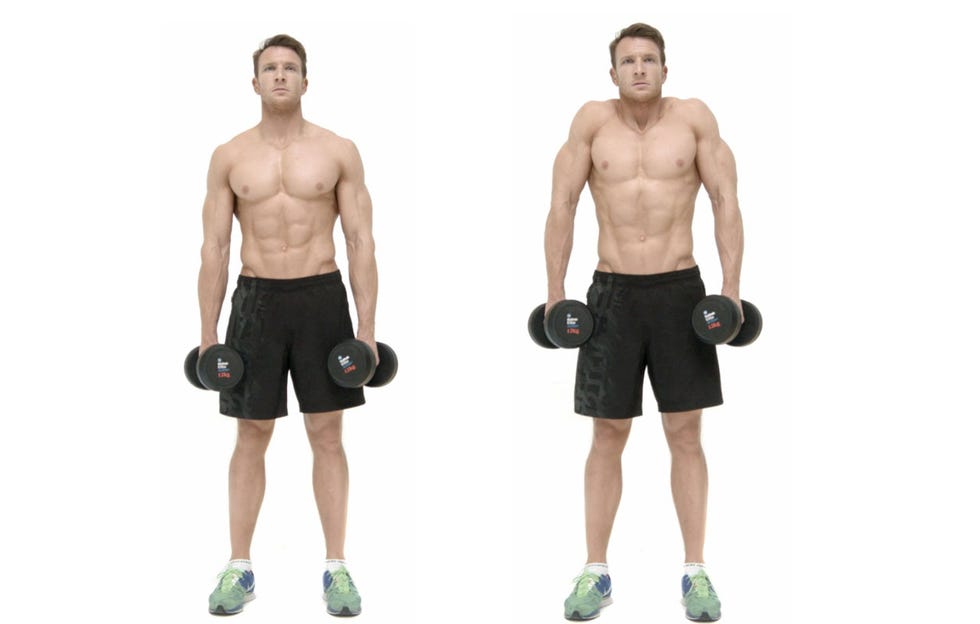
Shrugs are one of the simplest ways to overload your grip with maximal weight. Load up a barbell or grab the heaviest dumbbells in the gym and let your hands take the strain. Keep your arms straight, lift your shoulders hard towards your ears, and control the descent. The goal here isn’t just building bigger traps – it’s exposing your grip to the biggest loads available. Hold the top position for a beat on each rep to double down on the demand. And once your traps give out, see how long you can keep the weights in hand for.
Build these into your training, stay patient, and let your grip develop the way it’s supposed to – under pressure.
Grip and Forearm-Building Workouts
- Test Your Cardio and Strength Endurance with This Unforgiving ‘Run It Back’ Carry Challenge
- Are Farmer's Carries Your Hyrox Weakness? Try This Workout
- This Strongman Legs Day Builds A Solid Base For Massive Gains
- This 5-Minute ‘Barry’s Dumbbells’ Workout Will Torch Your Shoulders and Develop Vice-Like Grip
- Build Legs, Lungs, Grip and Grit with This Unforgiving 400m Lunge and Run Challenge
- This Pump-and-Carry Workout Builds a Bigger Chest, Broader Back and Crushing Grip Strength


