Jump to:
Two people have died and 11 are reported seriously ill following an outbreak of "invasive" meningitis at the University of Kent, with at least 13 cases reported to the UK Health and Security Agency (UKHSA) between 13 and 15 March. One of the deaths has been confirmed to be a Kent University student.
The agency said the others, who are understood to be between the ages of 18 and 21, had fallen ill with signs and symptoms of meningitis and septicaemia, and that the specific strain of the disease has yet to be identified. Presently, UKHSA is said to be working with the NHS to arrange antibiotics for students in Canterbury, Kent, as a "precautionary measure."
The statement continued: “UKHSA and the University of Kent are issuing advice to staff and students. Specialists at the UKHSA are interviewing affected individuals and their families to help identify all close contacts and arrange antibiotics to limit spread. Anyone becoming unwell with symptoms of meningitis and septicaemia should seek medical help urgently at the closest Accident and Emergency Department or by dialling 999.”
In light of this devastating news, what exactly is meningitis, how do you catch it, and can you be vaccinated against it?
What Is Meningitis?
The NHS describes meningitis as an “infection of the protective membranes that surround the brain and spinal cord (meninges).”
If not treated quickly, the disease can cause life-threatening sepsis and “result in permanent damage to the brain or nerves.”
What to read next
What Are the Symptoms of Meningitis?
According to the NHS, symptoms of meningitis and sepsis include:
- a high temperature
- cold hands and feet
- vomiting
- confusion
- breathing quickly
- muscle and joint pain
- pale, mottled or blotchy skin
- spots or a rash
- headache
- a stiff neck
- a dislike of bright lights
- being very sleepy or difficult to wake
- fits (seizures)
It's important to note that meningitis symptoms don't appear in a specific order. They can appear at any time, and patients may not experience all of them. In some cases, symptoms may not appear at all.
What Causes Meningitis and How Do You Catch It?
There is no single way of catching meningitis. Rather, it can be contracted through different germs, including bacteria, viruses, and fungi.
There are two causes of meningitis: a viral or bacterial infection. The NHS explains that the former is rarer and more serious than the latter.
Both infections can lead to sepsis, which is life-threatening.
Due to the numerous viruses that can cause meningitis, there are various ways it can spread, depending on the type, explains Meningitis Now. But, despite the outbreak in Kent, it is considered rare to catch meningitis from someone who has the disease and, says Meningitis Now, “most cases occur alone”.
According to the charity, around 10% of people carry the meningococcal bacteria in their nose and throat, even if they are not ill. “Only occasionally do these bacteria defeat the body’s defences and break through the lining at the back of the throat,” says the charity.
As for viral meningitis, the spread depends on the type, with one of the most common causes — enteroviruses — being carried harmlessly in the intestines of children and adults, helping to build natural immunity over time.
Both viral and bacterial causes, can be spread through coughing, sneezing and kissing.
The infection is usually spread by people who carry the virus or bacteria in their nose and throat but are not actually ill. However, though less common, the infection can also be spread by someone actively suffering from meningitis.
Dr Deborah Lee from Dr Fox Online Pharmacy tells Cosmopolitan UK: “Meningitis bacteria often live in the back of the throat and do not infect the host. The fact the host does not get infected is believed to be due to genetic differences which means the host has natural immunity to the organism. However, the person who they pass it to is genetically susceptible and becomes very unwell.”
People can contract meningitis more than once.
Who Is Most at Risk of Meningitis?
While it can affect anyone, it's typically most common in babies, young children, teenagers and young adults. People who are immunocompromised are also more at risk.
According to Meningitis Now, the risk of disease is “greatest in first year university students living in shared accommodation”.
Dr Deborah Lee explains: “Bacterial meningitis affects less than 1 in 100,000 of the UK population. Up to 90% is caused by men B. 2.3% of cases are fatal. The prevalence increases throughout childhood. It is most common in those aged 18-20.”
How to Prevent Spread of Meningitis
As we all learnt during the Covid pandemic, practicing good hygiene including hand washing, prevents the spread of bacterial and viral infections.
It is also advised not to share food or utensils, to cover your mouth when coughing or sneezing and to keep your distance from someone who is unwell.
Keeping up to date with immunisations is also important.
Dr Deborah Lee explains: “It’s very sad that childhood immunisations in the UK have fallen below the 95% threshold recommended by WHO. Unvaccinated children and young people remain at increased risk of this dreadful and life-threatening infection.”
How Is Meningitis Diagnosed?
According to the NHS, several tests can be carried out to confirm the presence of meningitis. These include a physical examination to look for the above immediate symptoms, a blood test and a CT scan.
To identify whether the condition is the result of a virial or bacterial infection, a lumbar puncture is performed, where a sample of fluid is taken from the spine and analysed.
How Is Meningitis Treated?
Mild cases of viral meningitis usually get better within 7 to 10 days, says the NHS, and are treated with rest, painkillers and anti-sickness medication.
But, due to the severity of the condition, clinicians will often begin a course of antibiotics before meningitis is confirmed but is suspected.
Once confirmed, treatment in hospital is normal in all cases of bacterial meningitis and where the cause is viral and severe, this will also require hospital treatment. This can range from a few days to a few weeks.
In hospital, treatment will include intravenous antibiotics and fluids to prevent dehydration. Some patients will also require an oxygen mask if they are struggling to breathe, and steroids to reduce swelling in the brain.
Recovery can take some time and depends on whether the patient has suffered any additional complications such as hearing loss or sepsis.
Long-Term Impact of Meningitis
Most people who catch either both viral or bacterial meningitis will make a full recovery. In the case of viral meningitis, it rarerly causes long-term helath problems.
Bacterial meningitis can lead to chronic problems, from hearing or sight loss, epilepsy and even amputation to prevent spread of sepsis.
According to the NHS, around 1 in 10 cases of bacterial meningitis is fatal.
Can You be Vaccinated Against Meningitis?
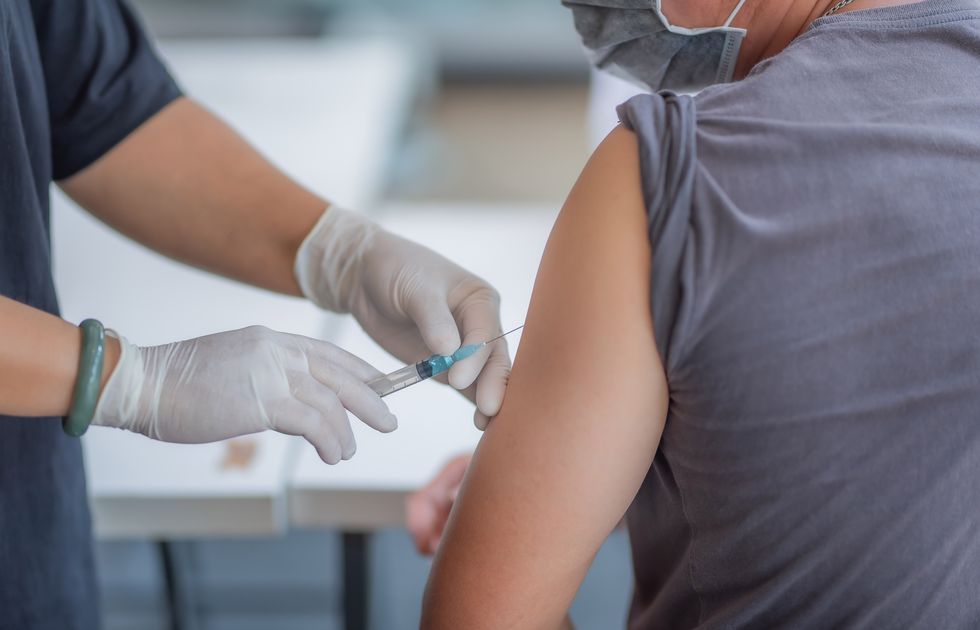
There are multiple vaccinations available for protection against meningitis. The MenB vaccine was introduced into the routine child immunisation programme in the UK in 2015. It is recommended for babies at eight weeks, as it protects against meningococcal group B bacteria, which is the most common cause of the disease in children. A second dose is given at 12 weeks, and a booster is recommended after one year. This jab does not protect against viral meningitis.
The 6-in-1 vaccine (short for DTaP/IPV/Hib/Hep B) protects against meningitis, plus diphtheria, tetanus, whooping cough, hepatitis B, polio and Haemophilus influenzae type b (Hib). This is given four times to children at eight weeks, 12 weeks, 16 weeks and 18 months old.
The pneumococcal vaccine is to prevent serious infections caused by pneumococcal bacteria, including meningitis. It's given to babies twice at 16 weeks and one year, or as a single dose to adults aged 65 or over.
Finally, the MenACWY vaccine protects against four bacteria types known to cause meningitis: meningococcal groups A, C, W and Y. It's available to 14-year-olds, as well as people up to 25 who haven't had a vaccine containing MenC.
Meningitis is a serious medical emergency. If there is any chance this could be meningitis, call 999 or get to A&E without delay. If you are unsure this is serious and need advice, ring 911

Sophie Williams is a Freelance Journalist and Copywriter, covering everything from Fashion to Entertainment to music, Lifestyle and Features. She has interviewed a range of musical artists and authors including Alyssa Edwards, Courtney Barnett, Confidence Man, The Vaccines, Loyle Carner, Gabrielle, and John Niven, and has written for publications like Metro, Reader's Digest, ITV's Woo! and Vice’s NBGA. She is also working on a book for HarperCollins about Taylor Swift, due to be published in 2024.