11 Best Hiking Shoes, According to Outdoor Gear Editors
We've tested over 50 hiking shoes over the past four years and found Oboz's Katabatic RT Low GTX to be the best.
 Reviewed by Ryan BrowerSenior Gear and Reviews Editor
Our product picks are editor-tested, expert-approved. We may earn a commission through links on our site. Why Trust Us?
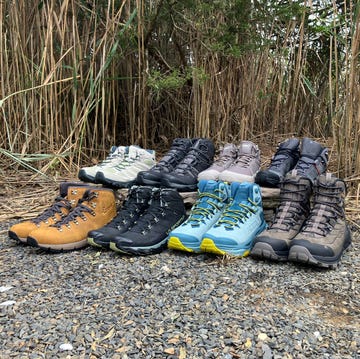
CHOOSING THE RIGHT footwear might be the single most important decision a hiker can make when prepping for the trail. A solid backpack, good socks, and proper layering garments (especially ultraviolet protection factor (UPF) clothing in the summer) are key, but a good hiking boot or hiking shoe (or even a hiking sandal) can make or break your next trek. Tall, sturdy, waterproof boots certainly have their place in the backcountry (I own many pairs), but I would argue that hiking shoes are often the best choice of footwear for most hikers.
Best Hiking Shoes
- Best Overall: Oboz Katabatic RT Low GTX
- Best Lightweight: Danner N45
- Best Budget: Nortiv 8 DualStride Armadillo FieldLite
- Best Sneaker-Like: Adidas Terrex Freehiker 3 Low GTX
- Most Comfortable: Danner MTN45 Low
- Best Trail Runner for Hiking: Nike ACG Zegama Trail
Like all footwear, most hiking shoes aren't especially complicated. But finding the right pair for you can be. Whether you're a frequent day hiker or you like disappearing into the woods for days (or weeks!) at a time, you'll want to compare everything from shoe height and weight to upper materials and waterproofing membranes. Our guide is designed to help you make sense of it all and find the best hiking shoe for you.
How We Selected
I'm a veteran outdoors enthusiast and travel writer who has hiked on all seven continents. With more than 20 years of globetrotting experience on assignment, I consulted with Men's Health Senior Gear and Reviews Editor Ryan Brower. Together (along with some other MH editors), over the past four years alone we've vetted more than 50 hiking shoes, putting each model to the test in the wild.
After our extensive in-field testing, we bring every shoe back to our office to inspect and determine which design notes surprised us and which could use more work. We closely examine every aspect, including ankle support, durability and quality of materials, waterproofing, general aesthetics, and, of course, the price. We also consider how each shoe might appeal to specific types of hikers, rather than assuming that all hikers' needs are the same.
Here, I bring you the 11 best hiking shoes of 2026 in one straightforward guide based on all our combined experience and research, with Oboz commanding our top spot of the best overall due to its lightweight, versatile design that's comfy and breathable even on the longest hikes. No matter if you’re looking for a featherweight trail-running-inspired shoe or an ultra-rugged, waterproof alternative, these are the best hiking shoes on the market to prepare you for your next hike.
 Best Deal

Oboz Katabatic RT Low GTX

Oboz Katabatic RT Low GTX
Pros
- Gore-Tex Invisible Fit offers best-in-show waterproofing
- Design feels more like a trail runner
- Excellent breathability
- Oboz's legendary durability
- Rugged good looks

Cons
- Only three available color options

Oboz’s new Katabatic RT Mid GTX was my favorite hiking shoe of the year in this year’s Men’s Health Outdoor Awards, and it wasn’t even close. It’s been my go-to hiking footwear for nearly every trip this year (hundreds of miles), whether it’s a quick day hike or a longer multi-day trek.
The Low version offers nearly all of the same best-in-class features. Most notable is Gore-Tex Invisible Fit that delivers fantastic waterproofing with excellent breathability and minimal stiffness. On my annual spring hike in the White Mountains, the Katabatic RT Mid kept my feet bone-dry amid plenty of muddy, washed-out trails. It also offers balanced comfort thanks to Kinertia EVA cushioning, Oboz’s gender-specific lasts, and more generous than average foot- and toe boxes, so it feels just as comfy after 10 miles or 100 on the trail. And the Vibram Megagrip outsole is extremely tacky in just about any conditions. What I love most, though, is the weight—or lack of it. At 15.2 ounces per shoe, the full pair comes in at less than two pounds. Compared to most other premium waterproof hiking kicks, that’s a notable and very welcome difference.
For a more supportive and protective alternative, check out the Katabatic RT Mid GTX.
Read More: Best Hiking Boots
| Available Heights | Low, Mid |
| Weight (per Shoe) | 15.2 ounces |
| Waterproofing | Gore-Tex Invisible Fit |
Danner N45


Danner N45
Pros
- A versatile, flexible design with sneaker-like comfort
- Great for warm-weather hikes with excellent breathability
- Nitrogen-infused EnduroFoam midsole is durable and lightweight
- Trail-runner-inspired aesthetic works for everyday wear
- Recraftable sole is more wallet- and eco-friendly
Cons
- Not waterproof
- A little pricey compared to our other recommendations
I've been an unabashed Danner fanboy for as long as I can remember. If I'm outdoors, there's a good chance I'm wearing a pair of Danners on my feet. The company's N45 is a solid testament to why, checking virtually every must-have box I look for in a solid hiking shoe. It's durable and supportive, while maintaining a balanced weight and comfy, sneaker-like feel.
At 11 ounces per shoe, it's the lightest shoe in our guide. Coupled with a sneaker-like silhouette and overall design, it's one of the most comfy hiking shoes I personally tested in the last few years. Add to that a Perspair upper that's ultra-breezy and bouncy, energy-absorbing EnduroFoam midsoles, and these are a near-perfect summer hiking shoe. Plus, I love the sneaker-inspired aesthetic that makes this a great option for everyday wear. It works just as well with your favorite jeans as with a pair of convertible hiking pants. This versatile design makes this a great do-it-all travel shoe, too.
I'm hard-pressed to find much to complain about, but there are two things worth noting. First is the lack of waterproofing, so you probably won't be wearing these on every hike. The second is that they're a little pricey compared to every other shoe we recommend below. But Danner has always been a premium brand, and I'm a firm believer that you really do get what you pay for.
Bonus: Unlike many hiking shoes on the market, the N45 is recraftable. So, when the sole finally gives up the ghost, you don't have to ditch your shoes in a landfill. Simply replace the sole (for a fraction of the price of a brand-new pair) and get back on the trail.
Read More: Danner N45 Full Review
| Available Heights | Low (ankle) |
| Weight (per Shoe) | 11 oz |
| Waterproofing | None |
Nortiv 8 DualStride Armadillo FieldLite

Nortiv 8 DualStride Armadillo FieldLite
Pros
- Incredible value
- Waterproof design is surprisingly breathable
- Little to no break-in period
- Reasonably lightweight
- Versatile trail-to-town aesthetic
Cons
- Only available in three uninspiring colorways
Most decent hiking shoes are priced north of $150. Newcomer Nortiv 8 isn’t quite a household name, but it’s already setting the standard for what’s possible in a sub-$100 hiker. The no-frills DualStride Armadillo FieldLite is all business (available in just three rather bland colorways), but it more than makes up for its lack of flair with legit trail-ready function. It’s comfortable straight out of the box with a minimal break-in period (even in wide sizes), and the brand’s proprietary cushioning system balances impact absorption with a stable base for reliable trekking. Most notable, though, is the legit breathable waterproofing—a pleasant surprise in any budget hiker.
| Available Heights | Low, Mid |
| Weight (per Shoe) | 16.6 ounces |
| Waterproofing | Proprietary |
Adidas Terrex Freehiker 3 Low GTX


Adidas Terrex Freehiker 3 Low GTX
Pros
- Ideal amount of cushioning
- Toothy Continental rubber outsole grips like a champ
- True Gore-Tex waterproofing
- Excellent breathability
Cons
- Liner can be awkward and bunch up at times (especially around heel)
The latest addition to Adidas’ Terrex line, the Freehiker 3 Low GTX, is a comfort-first hiking sneaker. Powerful and propulsive, tough without being overly bulky, this hiker proved proficient in just about every outing. It’s a dynamic hiking shoe that effortlessly takes to the trail or pretty much anything else you throw its way. The fit is ideal, the grip is mountain goat–esque, and the comfort level is high. Our only gripe is the slightly above median price for this category, but that’s thanks largely to the Adidas branding. Once you get past the initial lace-up and take in the high-functioning and versatile nature of this shoe, we think it’s worth the premium spend and is an admirable addition to the iconic Terrex Freehiker line.
Read More: Our Review of the Adidas Terrex Freehiker 3
| Available Heights | Low, Mid |
| Weight (per Shoe) | 13.12 ounces |
| Waterproofing | Gore-Tex |
Danner MTN45 Low

Danner MTN45 Low
Pros
- EnduroFoam Plus midsole is comfy and springy
- Vibram outsole sticks to everything
- Low-key aesthetic is versatile enough for everyday wear
- Rugged nubuck leather upper
- Eco-friendly design is resolable and recraftable
Cons
- A little pricey
- Heavy for a hiking shoe
Danner hits another home run this year with the MTN45 Low. This understated hiker offers a versatile design with low-key, street-friendly good looks but the DNA of a real hiking shoe. The nitrogen-infused EnduroFoam Plus midsole is soft yet supportive while being lightweight and springy for maximum comfort and energy return. A TPU mudguard and built-in rock plate help protect your foot and the shoe itself. Our only two issues are the heavier-than-average build (at more than a pound per shoe) and the premium price tag thanks entirely to the legendary Danner name. That price does, however, get you a 365-day warranty and a completely resolable/recraftable design that’s likely to save you money in the long run.
| Available Heights | Low |
| Weight (per Shoe) | 16.5 ounces |
| Waterproofing | None |
Nike ACG Zegama Trail

Nike ACG Zegama Trail
Pros
- Extremely lightweight as a hiking shoe
- Midsole offers a great balance of comfort and stability
- Ankle cuff keeps out debris
- True Vibram Megagrip outsole with traction lugs
- Pulls double duty as a trail runner when not hiking
Cons
- Not quite as supportive as a true hiking shoe
- Some heel slippage when not properly locked down
If you prefer the featherweight feel of a trail runner, even while hiking, Nike’s latest ACG Zegama Trail is your man. At 11.8 ounces per shoe, it’s crazy light for a hiking shoe, making it perfect for rapid summit assaults and fast-packing day hikes. Senior Gear and Reviews Editor recently wore the Zegama on a day hike in Muir Woods to much success: “It’s light enough to still push your pace in, but the new foot geometry gives it an incredibly stable base that makes good for hiking speeds on any terrain.”
The ZoomX midsole balances comfort and stability and combines perfectly with a Vibram Megagrip outsole with traction lugs for true hiking shoe grip. The upper remains just as lightweight and durable as its predecessor, while an updated stretchy ankle cuff works to keep out dirt and other trail debris.
Read More: Best Trail Running Shoes
| Available Heights | Low |
| Weight (per Shoe) | 11.8 ounces |
| Waterproofing | None |
Merrell Moab Speed 2 Leather Waterproof

Merrell Moab Speed 2 Leather Waterproof
Pros
- Rugged leather design is versatile enough for any terrain
- Excellent waterproofing, even in very wet conditions
- Comfy, sneaker-like design
- Foam cushioning is supportive for all-day wear
- Good balance of rigidity and flexibility
Cons
- Leather upper isn't as breathable as synthetics on long hikes
- Heavy for a hiking shoe
It's billed as Merrell's most tech-forward hiking shoe ever, and, after testing many of its models over the last decade, I have to agree. The upper blends nubuck leather with synthetics for maximum waterproofing, even in extremely wet conditions. For a fairly beefy and supportive shoe, it feels surprisingly light on the foot despite its nearly 15-ounce weight. I found it to be the brand's most comfy hiking shoe I've ever personally tested.
The Vibram TC5+ outsole is insanely grippy, as I found in the slippery, sloppy slush that makes up most of the trails in New Hampshire's White Mountains this time of year. (For a bit more foot protection and ankle support, opt for the taller Mid model.)
| Available Heights | Low (ankle), Mid |
| Weight (per Shoe) | 15.51 ounces |
| Waterproofing | Proprietary membrane |
Helly Hansen AWE Hiker Helly Tech

Helly Hansen AWE Hiker Helly Tech
Pros
- Great value in a waterproof hiker
- Bold, sneaker-like good looks
- Comfortable, trail-runner-esque fit
- Featherweight construction
- Good use of recycled materials
Cons
- Less ankle support than a true hiking shoe/boot
Helly Hansen built its brand on extreme wet-weather apparel, and that DNA is evident in the new-for-2026 AWE Hiker. It boasts proprietary Helly Tech waterproofing that holds its own against most of its “true” Gore-Tex competitors while also allowing HH to maintain a more budget-friendly price. Helly’s own Fast Foam midsole and Trail Grip rubber outsole provide solid comfort and stability with the tackiness to keep you surefooted on the gnarliest terrain. The heavy use of recycled materials throughout also makes this more eco-friendly than most hikers at this price point.
Brower wore the Mid Boot version of these hiking in Norway earlier this year. On one particular hike, it rained the whole time and there was a little bit of waterfall exploring—yet his feet stayed dry the entire day.
| Available Heights | Low |
| Weight (per Shoe) | 12.7 ounces |
| Waterproofing | Helly Tech (proprietary) |
Scarpa Ribelle Cross 2 GTX

Scarpa Ribelle Cross 2 GTX
Pros
- Agile, relatively lightweight design
- Stiff and stable for hiking fast
- More eco-friendly GORE-TEX ePE waterproofing
- Versatile design
- Decent price
Cons
- Only one colorway available
The new-for-2026 Ribelle Cross 2 GTX is a lightweight hiking shoe that pulls heavy inspiration from Scarpa’s own trail runners. The technical hybrid design blends the agility of a trail runner with the ruggedness of a low-cut hiker. The chassis is stiff and stable for fast summit assaults with built-in support for longer hikes when speed counts. I especially love the use of Gore-Tex ePE in the latest version, providing the most eco-friendly waterproofing on the market. This is easily a $200-plus hiker for less than $200. My one beef? It’s only available in the black/olive colorway shown here.
| Available Heights | Low |
| Weight (per Shoe) | 14.8 ounces |
| Waterproofing | Gore-Tex ePE |
Salomon X Ultra 5 Gore-Tex

Salomon X Ultra 5 Gore-Tex
Pros
- Durable, abrasion-resistant Matryx upper provides excellent foot protection
- Genuine PFC-free Gore-Tex membrane guarantees maximum waterproofness
- Buttery soft lining with a molded OrthoLite sockliner
- quickLace system makes for easy-on/easy-off
- Partially made with recycled materials
Cons
- Runs tight
This one from Salomon is surprisingly light at 13 ounces per shoe despite its ultra-techy, tank-like build. The proprietary Matryx upper combines Kevlar and technical yarn, making it durable and highly abrasion-resistant to protect both the shoe and your feet. A molded insert embedded in the sole guarantees extra support while allowing for flexibility, too.
I especially love the finishing touches, like a minimalist lacing system with one-pull tightening and a soft breathable liner that helps your feet shed sweat and heat on the trail. It all rides on an all-terrain Contragrip outsole with chunky lugs for serious traction in any terrain.
| Available Heights | Low |
| Weight (per Shoe) | 13 ounces |
| Waterproofing | Gore-Tex |
Hoka Anacapa 2 Low GTX

Hoka Anacapa 2 Low GTX
Pros
- Nubuck leather paired with Gore-Tex for maximum waterproofness
- More breathable than its watertight construction should allow
- Ultra-grippy Vibram Megagrip outsole
- Made with tons of recycled, ethically sourced materials
Cons
- A little less ankle support than most other hiking shoes we tested
Hoka brings its considerable trail running footwear design chops to bear on its best-selling Anacapa 2—this time with a focus on premium, ethically sourced, environmentally friendly materials throughout. This ankle-height hiking shoe boasts a Nubuck leather upper paired with Gore-Tex Invisible Fit for a fully waterproof design.
And get this: The sugarcane EVA midsole is purpose-built to offer more neutral stability and balanced cushioning than most hiking shoes. Translation: Compared to the other models we recommend, this is the closest thing to a road shoe. The only downside? The low-cut silhouette offers less ankle support than other hiking shoes we’ve tested.
Read More: Best Hiking Sandals
| Available Heights | Low (ankle), Mid |
| Weight (per Shoe) | 15.3 oz |
| Waterproofing | Gore-Tex Invisible Fit |
What to Consider
Key Components
It's important to understand the three key components that make up almost every hiking shoe:
- Upper: This is the topmost part of the shoe that covers the top of your foot. It's typically made of leather or synthetic materials, such as polyester or nylon, which may or may not incorporate a waterproof membrane.
- Midsole: The middle part of the shoe that your foot sits directly atop. This layer provides both support and cushioning, and usually dictates how comfortable and stable a shoe is. Polyurethane midsoles tend to be heavier but last longer and are better for longer hikes. EVA alternatives are lighter and best for day hikes and shorter treks. Look for materials that are breathable and odor-resistant.
- Outsole: The part below the midsole that actually makes contact with the ground. Typically made from rubber or a rubber-carbon blend—both of which provide maximum grip. The best hiking shoes offer outsoles with chunky lugs that help with grip and allow for easier clearing out of mud and debris while moving on the trail.
Height
Hiking shoes tend to be lower than hiking boots, so they tend to look and feel a bit more like a traditional sneaker. The most important reason to consider the height of a particular model is that taller shoes often provide more ankle support. This is critical if you typically hike trails with constant elevation changes or over rocky, slippery, or uneven terrain, where sprained ankles and lower leg injuries are more likely. Put simply: "Shorter" hiking shoes are less rigid and more comfortable, but provide less ankle support; while "taller" hiking shoes (sometimes referred to as “mid” height) offer the best ankle support but are more confining and offer less flexibility.
Weight
An old hiker's adage goes something like, "Ounces make pounds, and pounds make pain." Because, when it comes to footwear (or any hiking gear, really), weight matters. That's why I recommend buying the lightest hiking shoe that you can afford that still offers the ankle support you need. Many of the best hiking shoes—especially those designed for fastpackers and ultralight backpackers—can weigh well under a pound. Compare that to the beefiest hiking boots that can easily weigh two or even three pounds each.
Breathability and Waterproofing
Breathability and waterproofing are often inversely related, meaning more breathability usually means less waterproofing, and vice versa. In general, hiking shoes are more breathable than hiking boots. They’re lighter, feature thinner soles, and there’s less overall material to “air out.” There's no best choice here, though, as it comes down to the type of conditions you most typically hike in. If the desert or dry alpine trails are your jam, waterproofing might not be a concern, so opting for an ultra-breathable hiking shoe with little to no waterproofing is the way to go. On the other hand, if you tend to explore damp, rain-soaked places like the Pacific Northwest or the Costa Rican jungle, you'll want the best waterproofing (usually Gore-Tex) you can afford.
Durability
Durability and stiffness go hand-in-hand. Compared to hiking boots, hiking shoes rely on lighter materials such as mesh and synthetics in the upper, with more flexibility in both the mid- and outsole. Where hiking boots may last 1,000 miles or more, you can expect most hiking shoes to need replacing after roughly 500 miles. To maximize your investment, look for resolable or recraftable hiking shoes (like the Danner MTN45 Low below) to save you from buying a brand-new pair when only the sole needs replacing.
Break-in Period
All footwear requires a break-in period, and that's doubly true of the best hiking boots and hiking shoes. Unlike height and weight, this can be hard to quantify. It's impossible to know for sure how long a specific pair of shoes will take to break in for you, as it depends on the size and shape of your foot, your weight, your gait, the terrain you hike—the list goes on. For insight here, I like to look into other buyer reviews as this can provide a best guess as to how easy or not a particular shoe is to break in. Some companies (most notably Oboz and Danner) are known for hiking shoes with little to no break-in period. If you want to hit the ground running—er, hiking—a shoe that requires minimal break-in is the best place to start.

Mike Richard has traveled the world since 2008. He's kayaked in Antarctica, tracked endangered African wild dogs in South Africa, and survived a near-miss great white shark attack in Mexico. His travel advice has appeared on the websites for Forbes, Travel + Leisure, CNET, and National Geographic. He loves the great outdoors and good bourbon, and (usually) calls Tulsa, Oklahoma home. Mike also enjoys speaking in the third person.
Ryan Brower is the Senior Gear and Reviews Editor at Men’s Health, where he tests the best products in outdoor gear, tech, running shoes, and more. He has written about the outdoors for nearly two decades and was previously the Managing Editor, Content Performance at Gear Patrol. He holds a B.A. in Sport Management and is a Certified Beer Server, having previously covered the craft beer industry. Ryan currently lives on the water in New Jersey with his wife and their dog.

Readers Also Read

The Coolest Gear We’re Testing This Summer
The 10 Best Hiking Boots We’ve Tested

4 Strength Moves to Increase Longevity After 50

The Best New Menswear Drops This August


