
Many lifters assume that in order to build big legs, heavy squats are the only thing that matters. And while squatting is hugely effective at growing muscle and developing strength, there might be better options available to you – especially if you're suffering with any niggling injuries or struggle to fully recover from intense leg sessions.
That's true for exercise researcher Dr Milo Wolf. In order to alleviate issues that had built up through extensive squatting, Dr Wolf – who is capable of moving over 180kg through a full range of motion – stopped loading up a heavy barbell on his back and substituted different exercises into his routine instead.
'I stopped squatting – and you might want to as well,' Dr Wolf says. 'It made my leg training more efficient. Not because I'm weak. I've hit 400+ (pounds) for reps, ass-to-grass.'
He believes that his legs are working harder. Dr Wolf now incorporates deep lunges, pistol squats and leg presses into his routine, arguing that he can complete more sets while also getting closer to failure, without causing as much systemic fatigue. Thus, eliciting more muscle growth.
'I train for size and health now. For size, other lifts give me more stimulus with less fatigue. Even strong squatters admit it: squats are brutally fatiguing. They also take a long time to warm up and recover from. Most single leg and machine variations get you working faster.
'Treating squats as mandatory leads to nagging joint pain over time,' he argues. 'Doing the same heavy pattern year after year tends to beat people up. When I switched variations, the pain faded.'
What to read next

Should You Stop Squatting?
It depends. If you feel like your body is taking a beating every session that involves some form of deep squatting – either fatigue-wise or joint-related – then it might be worth considering alternative options. Squats are a taxing movement which might impact other areas of your training. Plus, no exercise is worth causing your body damage over.
But if squatting is something you're keen to improve at, see progress with and, crucially, thoroughly enjoy doing in your training, then continuing to do them also makes sense.
As with anything, there's no one-size-fits-all when it comes to training – find what works best for you and your goals, and try and become the best you can at that.
The Best Alternatives to Back Squats
Reverse Lunge
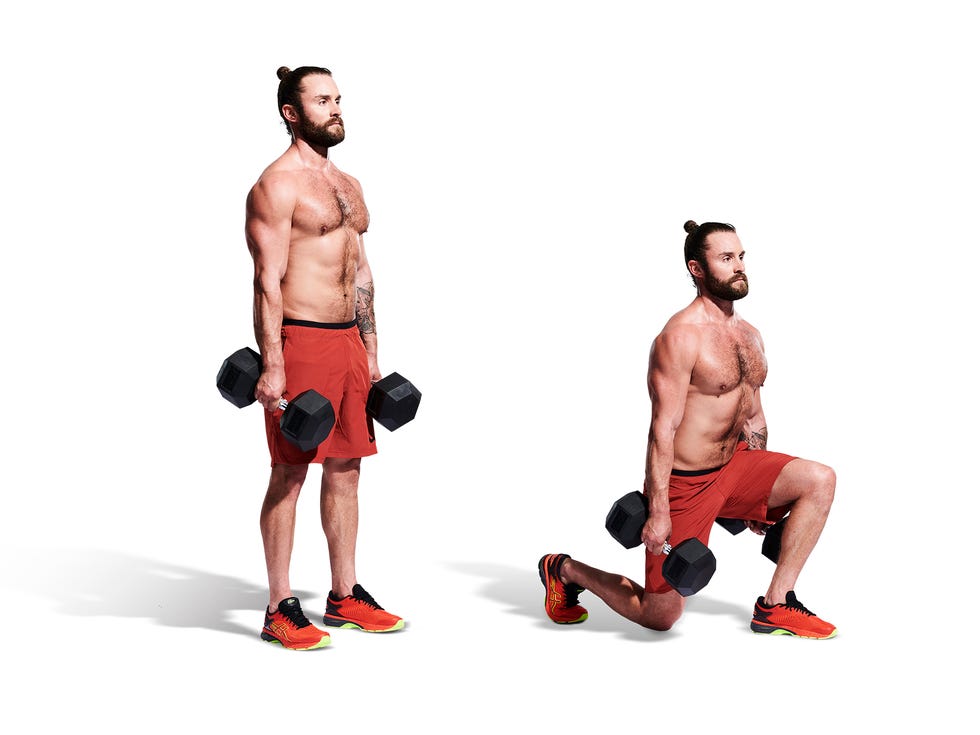
Stand tall with your dumbbells in each hand. Keeping your chest up at all times, take a step backward with one leg, bending your front knee until the back knee touches the ground. Stand up explosively, pause and repeat with the other leg.
Leg Press
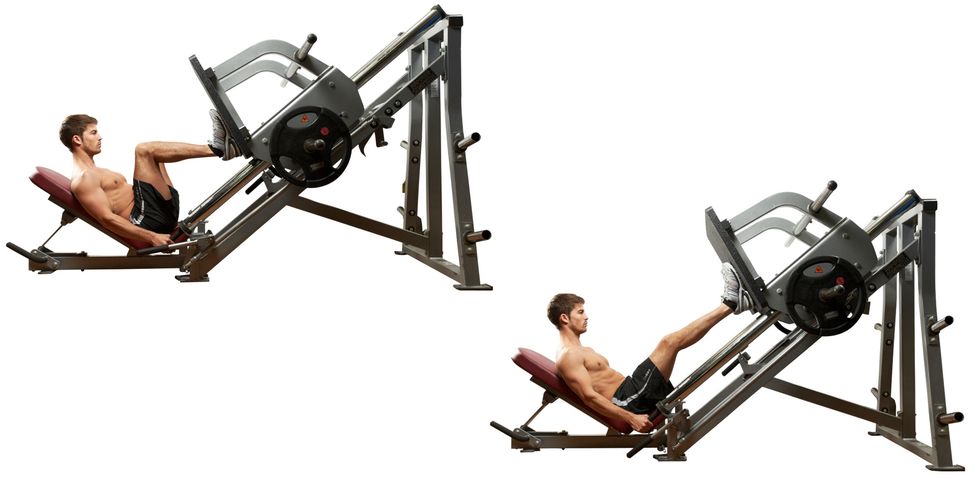
You can use the seated leg press or 45-degree leg press. Begin with your feet planted in the middle of the foot pad, about shoulder-width apart with your back flat against the seat. Control the weight and bend the knees so the plate moves towards you – don't let your lower back lose contact with the seat. Push the plate away from you, ready to repeat.
Pistol Squat
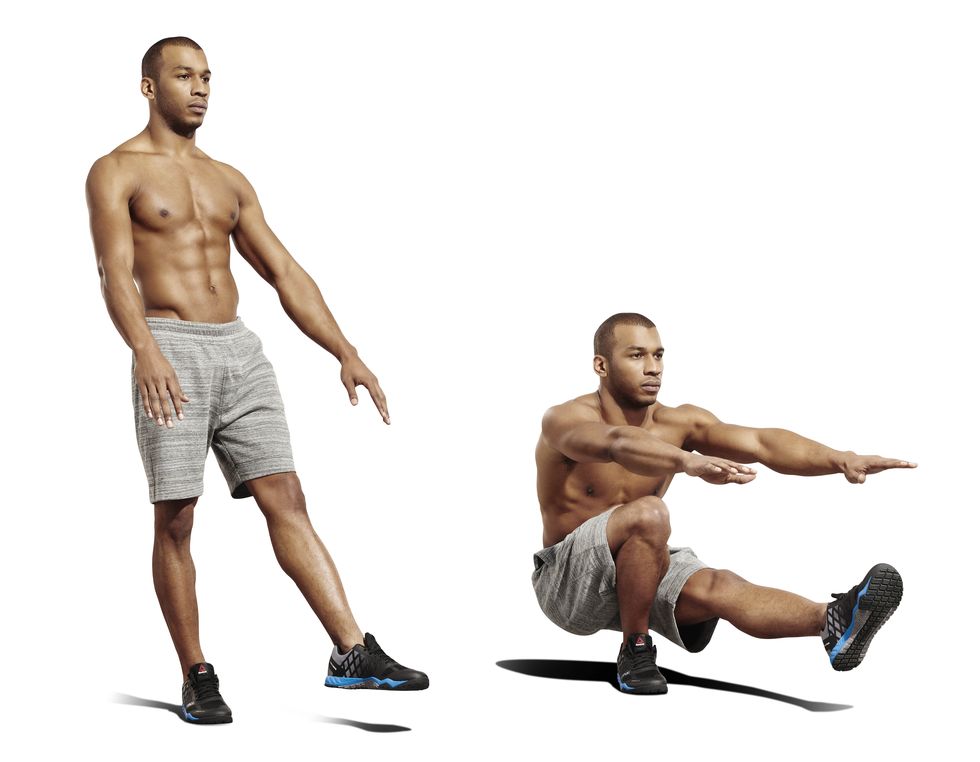
Stand with your arms out in front. Balance on one leg with your other leg in front of you as high as possible. Keep your torso upright. Shift your body weight over to the opposite side of your bent leg. Squat as low as possible while keeping your leg elevated off the floor and your supporting knee pointed in the same direction as your foot on the floor. Push through your supporting leg to raise your body to the starting position. Switch legs after each rep.


