
Modern training programmes often focus on highly specific goals, whether that’s improving your squat, running a faster 10k or preparing for a fitness competition. But before specialising, many coaches recommend building a base of all-round fitness that supports everything else you do in the gym. This is where GPP training comes in.
You might see GPP training pop up in strength and conditioning circles or tactical training plans. Short for general physical preparedness, the protocol is essentially the starting block before moving on to more focused work.
What Is General Physical Preparedness Training?
General Physical Preparedness (GPP) refers to the broad base of strength, endurance, mobility and work capacity that prepares the body for a wide range of physical tasks before any more sport-specific training begins. Think of it as building the foundations before focusing on more specialised goals.
Why Is GPP Training Important?
GPP training helps develop the physical qualities that underpin almost every form of training. Building a solid base of strength, aerobic fitness and work capacity can improve recovery between sets, reduce injury risk and make it easier to tolerate higher training volumes later on.
Who Is GPP Training For?
GPP training isn’t just for athletes. Beginners can use it to build a broad base of fitness, while experienced lifters or runners often use GPP work to address weaknesses such as conditioning, mobility or work capacity. It’s also useful if you’ve had a break from training and want to rebuild your base before returning to a more structured programme.

What Are Some Examples of GPP Exercises?
Common movements used in GPP training include:
What to read next
Loaded Carries
- Farmer’s carries
- Sandbag carries
- Front rack carries
- Overhead carries
- Yoke carries
Sled Work
- Sled pushes
- Sled pulls
- Backward sled walks
Bodyweight Capacity Work
Athletic Movements
- Bear crawls
- Skipping
- Box jumps
- Agility drills
Conditioning
- Running intervals
- Rowing intervals
- Assault bike sprints
- Kettlebell swings

How to Add GPP Training to Your Routine
You don’t need a separate programme to include GPP work. Adding one or two short conditioning circuits, sled pushes or loaded carries at the end of your regular workouts can help develop overall work capacity without interfering with strength training.
You can try the following GPP conditioning session from coach Jason Brown to see the benefits. Repeat for five rounds at a moderate pace, resting 30 seconds between each move.
Sled Push x 100 ft
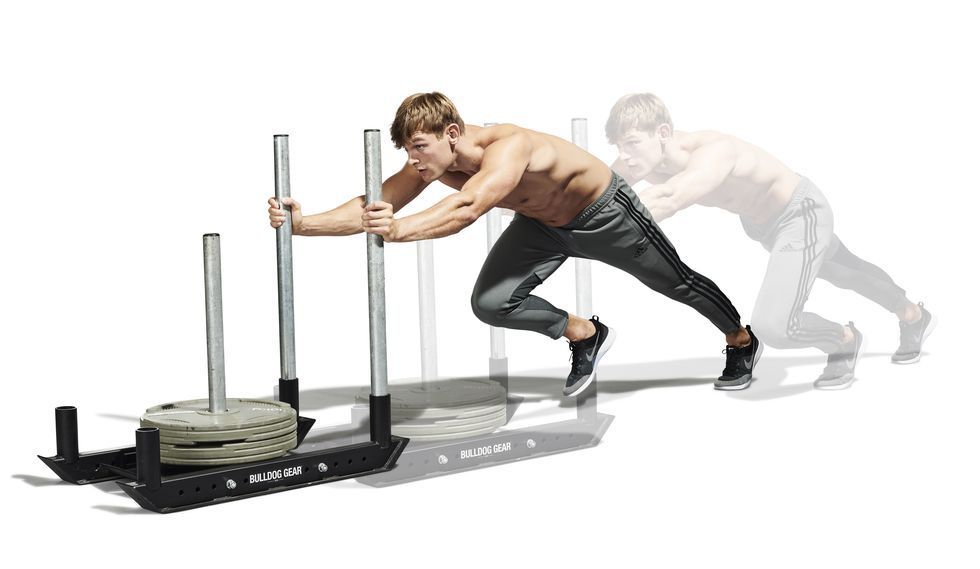
Grab the handles of a sled and lean in, keeping your torso almost parallel to the ground. Drive the sled forward by marching with short, powerful steps. Try not to lose momentum once you begin the length.
Sled Face Pull x 100 ft
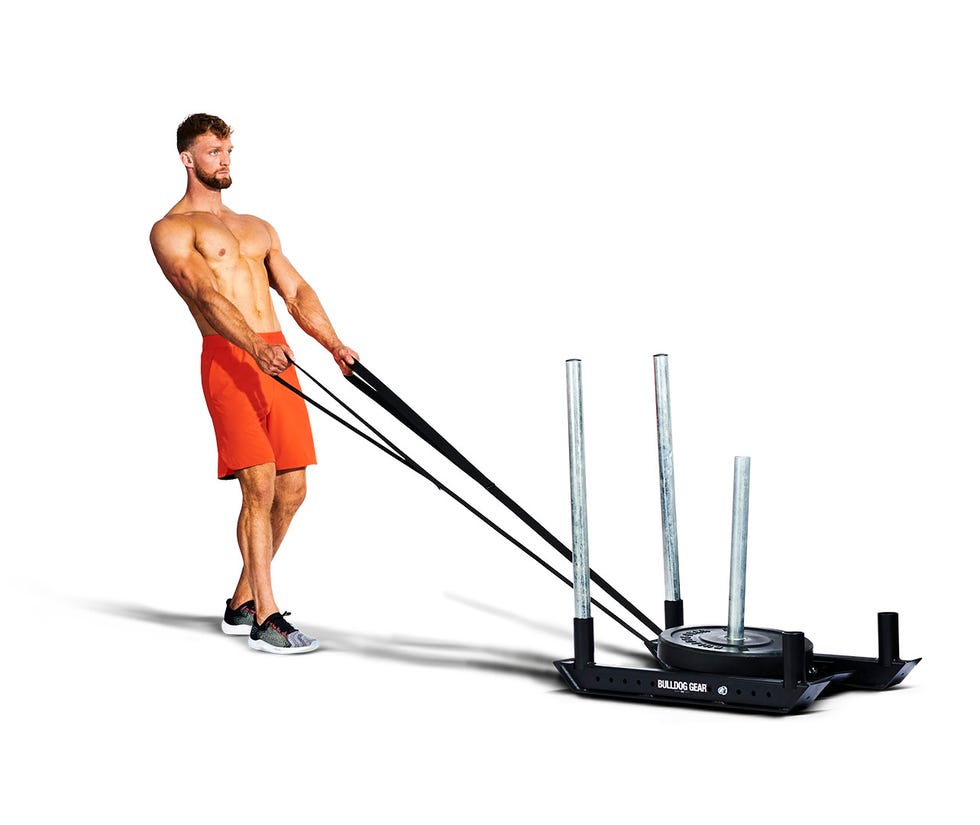
Attach a rope to a sled using a strap, TRX or cable. Face the sled and hold the rope with both hands, stepping back until the line is taut. Walk backwards while pulling the rope explosively toward your face with elbows high, squeezing your upper back and rear delts before extending the arms again.
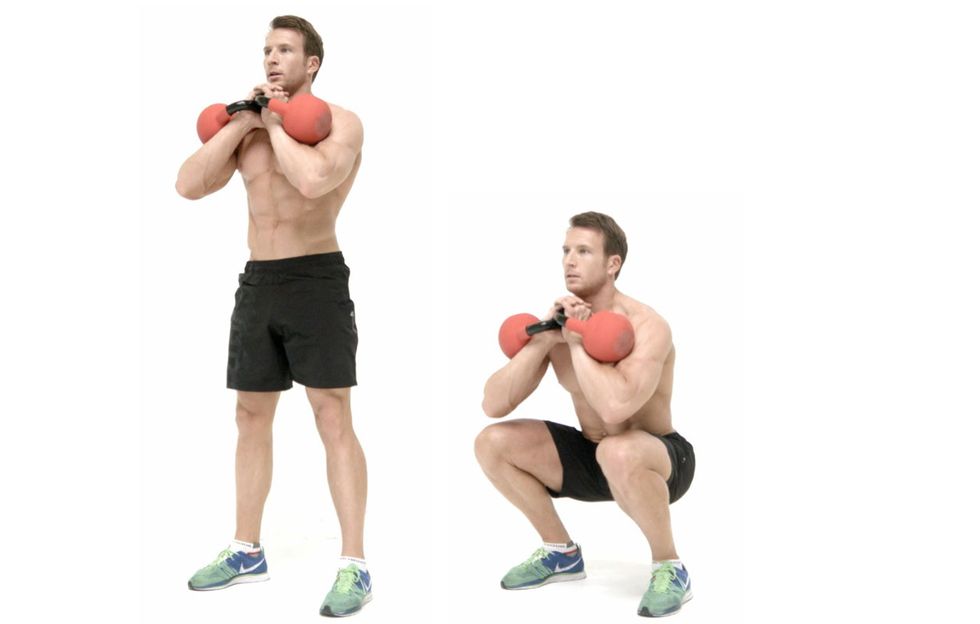
Kettlebell Complex: Clean, Squat, Push Press x 5 Reps Each
Using two kettlebells, perform five cleans to bring the bells into the rack position. From there, complete five front squats while keeping your chest tall. Finish with five push presses, using your legs to drive the kettlebells overhead.
Front Rack and Overhead Carry x 100 ft
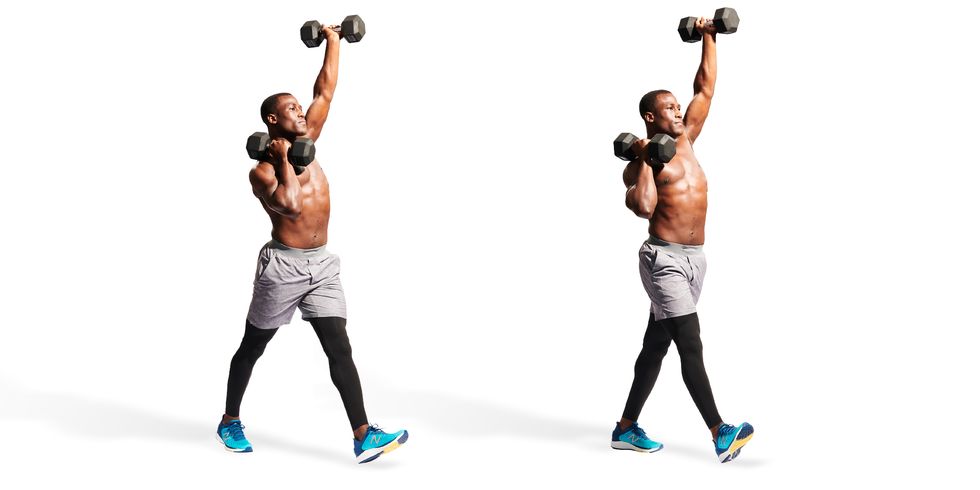
Hold one weight in the front rack position and the other locked out overhead. Walk for 50 ft, keeping your core braced and torso upright. At the halfway point, switch arms so the rack and overhead positions change sides.
Landmine Rotation x 20 Reps

Hold the end of a landmine barbell with both hands and stand facing the bar with arms extended. Rotate the bar from one side of your body to the other in an arc, pivoting through your hips and feet. Keep your core braced and control the movement.
Ski Erg x 10 Calories
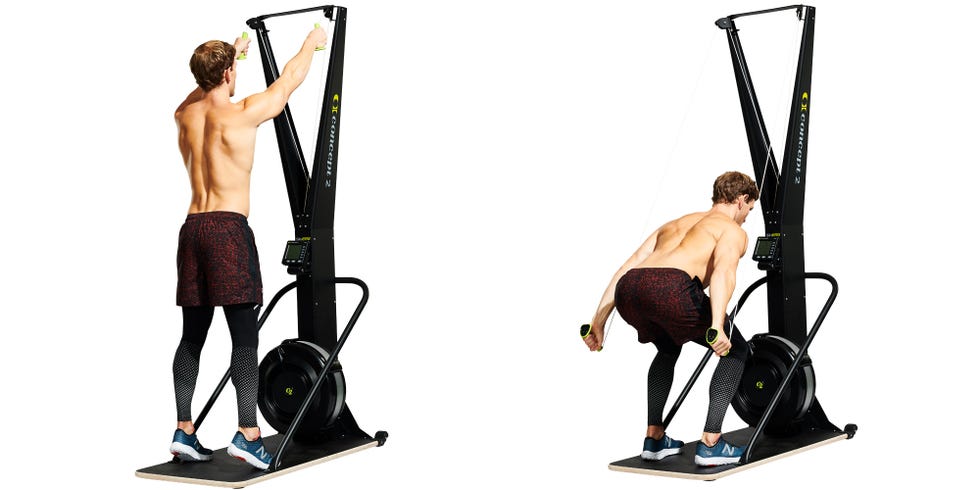
With your feet shoulder-width apart, reach up and grip the handles with an overhand grip. Drive the handles downward by engaging your core and bending your knees. Maintain a slight bend in your arms and keep the handles close to your face as you pull them down towards your pockets. Finish with a slight arm extension before returning to the start position and repeating.


