We earn a commission for products purchased through some links in this article.
The 9 Best Electrolyte Drinks, Tablets and Powders, Selected by an Expert Panel
Tough workouts call for more than just a glass of water. These are the best supplements to help keep you hydrated

Finish a workout, down a glass of water – it's standard procedure. But if you’re exercising for over an hour, at a high intensity or in hot conditions (i.e. when sweat loss is at its highest), then taking on the correct amount of electrolytes to replace what your body has lost can help to combat dehydration and reduce fatigue.
For that, you’ll want the best electrolyte supplements. They typically come in three forms: tablets and powders that you dissolve in water, or ready-to-drink products like cans. To help you decide which is best for your needs, we enlisted a panel of expert nutritionists, who tested dozens of electrolyte products to recommend the best options.
Best Electrolyte Supplements
- Best Electrolyte Tablets: SiS Go Hydro Tablets
- Best Natural Tasting Tablets: Healthspan Elite Electrolyte Tablets
- Best High Sodium Sachets: Puresport Ultra Electrolytes
- Best Sugar-Free Sachets: Humantra Zero Sugar Electrolyte Drink
- Best for Control: NutritionX Hydra 10 Hydration Sports Drink
What Are Electrolytes?
Electrolytes are essential salts and minerals that your body needs to stay hydrated. Sodium, magnesium, potassium, calcium and chloride are all electrolytes – when you sweat, your body loses them, and they need replacing, either through your regular diet, or during extended or intensive exercise via supplements.
'Electrolytes are found in cells all over your body, including the skin, brain and muscles, and they perform crucial processes to keep us alive,' explains David Wiener, training and nutrition specialist at fitness app Freeletics.
Low electrolyte levels can have a sizeable impact on your performance and recovery. 'Physical symptoms include dehydration, muscle cramping and weakness, headaches, nausea and lightheadedness,' Wiener says. 'Electrolyte imbalance can also impair cognitive function, affecting your mood, focus, coordination and reaction time.'
When to Take Electrolyte Supplements
If you’re taking on a big challenge or event, then Dr Sinead Roberts, owner and performance nutritionist at Feed.Fuel.Performance, says it’s important to salt up on the go. 'Electrolytes are absolutely crucial during endurance and ultra-endurance exercise, when you can’t wait until afterwards for salt, you need it to keep going,' she explains.
However, if you’re spending less than an hour exercising moderately, you're probably getting enough electrolytes from your daily food intake and therefore don't need to be consuming additional powders or drinks. Sophie Holmes, a fitness and nutrition coach, says the best way to recover after most exercise is with 'a balanced meal and plain water'. She recommends taking the extra step of reaching for foods that are rich in electrolytes, such as kale, spinach, broccoli, avocados, almonds and beans.
In short, think of electrolytes as ‘a tool, not a baseline requirement’, says Men’s Health fitness director Andrew Tracey when explaining when you do and don’t need electrolyte drinks. ‘Long, sweaty sessions, hot weather, two-a-day training, heavy sweaters, low-carb diets or episodes of vomiting/diarrhoea? Electrolytes can be worth it. Desk days, light training, British winter? Save your money, drink water, salt your food.’
Read More: Why Science is Warning Against Drinking Electrolytes Every Day
What to Consider
Sodium Content
Unless you take a sweat test, it’s difficult to know exactly how much sweat you lose during exercise and how salty your sweat is. Everyone is different: some athletes will lose as little as 200mg of sodium per litre of sweat, whereas others are capable of losing 2,000mg.
Using an online, algorithm-based questionnaire, like this one by Precision Hydration, can be a handy alternative. It’ll ask you questions like ‘do you have salt marks on your kit after exercise?’ and also take into account factors like your weight, age, the type and length of exercise you’re doing, and the conditions you’ll encounter. In lieu of a lab test, asking these questions can help you to estimate how much sodium you’ll likely need to replace per hour.
Armed with that information, you can make a more informed choice about which electrolyte supplement you need. Most contain between 300-500mg per serving.
Read More: Could a Higher Salt Intake Benefit Performance?
Other Electrolytes
Though sodium should be the focus when taking on electrolytes, it isn’t the only mineral that needs replacing. Potassium, magnesium and calcium are also lost through sweat, which is why the best electrolyte supplements tend to contain them in their products too. But when it comes to keeping your body hydrated, sodium is what matters most.
Carbohydrates
Electrolytes and carbohydrates are the two things you’ll want to keep topped up during endurance exercise, so it makes sense that some electrolyte supplements also contain a hit of fast-acting carbs in their ingredients. Amounts will vary between products, so pay attention to the packaging.
Packaging
How you plan to use your electrolyte powder should factor into the style of supplement you choose and the packaging it comes in. Ready-to-drink cans are great for keeping in the fridge at home or having in your gym bag. For endurance events, you’ll want something that you can prepare pre-race or while you’re running and carry in a soft flask. If you like to travel light day-to-day, pre-measured powdered sachets that you can empty into a water bottle are also a good option.
Testing
As with all sports nutrition products, choosing an electrolyte supplement that has been third-party tested will give you the peace of mind that it has exactly what it says it has inside and nothing that it doesn’t. Look for products with either an Informed Choice or Informed Sport accreditation if you want the assurance that each batch has been tested and is free from banned substances.
How We Selected
For our 2026, 2025 and 2024 Sports Nutrition Awards, we enlisted a panel of leading sports nutritionists – Rob Hobson, Tai Ibitoye, Lee Amico and Dr Sinead Roberts – to help us test a range of market-leading electrolyte products, including tablets, powders and drinks. Our expert squad eliminated any supplements that didn’t contain all the necessary minerals for optimum hydration.
Those that did earn their stamp of approval were submitted to a panel of editors, food testers and fitness fiends, who judged the products on flavour, texture and ease of use. You'll find our winners with the Sports Nutrition Awards logo below. The rest of the products in this round-up have previously tested and featured by our team.
The Best Electrolyte Drinks, Tablets and Powders
Science In Sport Hydro Tablets


Pros
- Great taste
- Informed Sport certified
- Added vitamins

SiS takes the top spot in our electrolyte tablets category. Each tab contains sodium, calcium, potassium and magnesium, while also packing green tea extract and B vitamins to boost energy production and mental focus.
These tablets are easy to carry, dissolve rapidly and have a palatable taste. The amounts and ratios of the electrolytes also sit within the range typically recommended in sports hydration drinks. The added vitamins, which aren't necessary for hydration and may not be needed, but they aren't inherently 'bad'.
Features at a Glance
| Sodium per serving | 345mg |
|---|---|
| Type | Tablets |
Healthspan Elite Electrolyte Tablets

Healthspan Elite Electrolyte Tablets
Pros
- Informed Sport certified
- Not too sweet
These aren't excessively sweet, making them a great option for when you're fatigued, and sweet and grainy drinks can become hard to stomach. The ingredient list is focused, containing only what's relevant to hydration and the amounts and ratios of the electrolytes are within the range recommended for sports hydration drinks.
Features at a Glance
| Sodium per serving | 300mg |
|---|---|
| Type | Tablets |
Liquid I.V. Liquid I.V. Electrolyte Sachets

Liquid I.V. Liquid I.V. Electrolyte Sachets
Pros
- 530mg sodium
- Pre-measured sachets
- Added vitamins
Vegan and travel-friendly, these sachets, which contain sodium and potassium along with B-vitamins and vitamin C, and around 13g of carbs, are designed to help restore electrolyte balance via a water-mix powder. You simply add one sachet to 500ml of water (but you can adapt according to taste) and this tasty electrolyte drink is ready to go. Flavours include Passion Fruit, Lemon Lime, and Watermelon Cooler. At £19.99 for 16, they’re great value for money.
Per serving
| Sodium per serving | 530mg |
|---|---|
| Type | Sachets |
Precision Hydration PH1000: Mild Citrus

Pros
- High sodium content for endurance athletes and salty sweaters
- Gentle flavour
Cons
- 1g of sodium may be overkill for some

When dissolved in 500ml of water, one tablet of PH1000 delivers a mega 1000mg of sodium, along with a healthy hit of potassium, calcium and magnesium for good measure – exactly what your body needs after a lengthy sweat-soaked session.
Taste testers enjoyed the gentle citrus flavour and approved of the consistency, which was thin and free from powdery residue. If your training is less intense and you don’t need such a high dose of salts, the brand offers different strengths to accommodate individual needs.
Per serving
| Sodium per serving | 1g |
|---|---|
| Type | Tablets |
Puresport Ultra Electrolytes

Pros
- Informed Sport certified
- High sodium content for endurance efforts and salty sweaters
Cons
- 1g of sodium may be overkill for some
One of the higher sodium electrolyte products out there, so an ideal choice for the salty sweaters. Those who enjoy the saltier taste of these love the flavours (they come in Citrus Salt, Raspberry Salt, and Watermelon Salt, with the latter a firm favourite among testers) and the fact these sachets are zero sugar.
Per serving
| Sodium per serving | 1g |
|---|---|
| Type | Sachets |
NutritionX Hydra 10 Electrolyte Drink

Pros
- Control serving to suit your requirements
- Informed Sport certified
It's a powder, so you can vary the dose, making it better for personalisation – more if you're a salty sweater, for example. It also contains a low concentration of carbs, which may help the rapid absorption of electrolytes into the body – ideal when you need to rehydrate quickly. It does contain unnecessary vitamins for hydration, too.
Features at a Glance
| Sodium per serving | 880mg |
|---|---|
| Type | Powder |
HIGH5 Zero Electrolyte Hydration Tablets

Pros
- Great taste
- Zero sugar
If you’re a salty sweater, you’ll know water alone doesn’t always cut it – particularly when training in warm weather. The pink grapefruit-flavoured sugar-free tabs from High5 are one of our favourite electrolytes – they taste great, pack in 250mg of sodium per tablet and, like the name suggests, contain zero sugar.
Super affordable, they are easy to transport, simple to use, and can be mixed to whatever strength you prefer – either by changing the amount of water you're mixing it into or dissolving more/less of the tab(s), providing you don't exceed the recommended daily intake.
Per serving
| Sodium per serving | 250mg |
|---|---|
| Type | Tablets |

Pros
- Informed Sport certified
- Natural flavour
Cons
- Low sodium content for endurance efforts
These vegan, sugar-free sachets contain six essential electrolytes, along with micronutrients. While the product is aimed more at everyday hydration rather than elite performance, it is Informed Sport-certified. When the downfall of many electrolyte products can be their high sugar content, Humantra’s sachets, sweetened with natural, plant-based stevia leaf extract, stand out. From Himalayan Lime to Lychee, the flavours are also on point. You’ll get convenience and value here.
Features at a Glance
| Sodium per serving | 200mg |
|---|---|
| Type | Sachets |
Pros
- Balanced electrolyte formula
- Not overly sweet
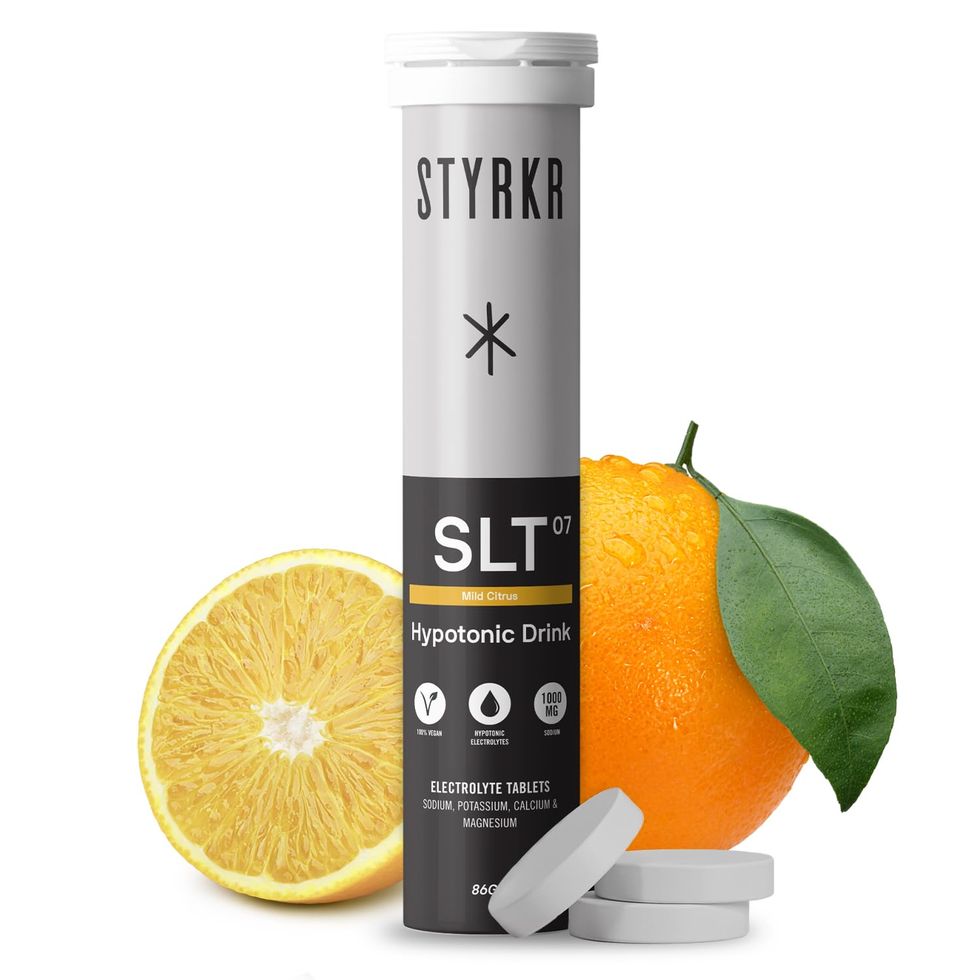
These citrus tablets offer a balance of all the major electrolytes you’d expect – sodium, potassium, magnesium and calcium – to help replenish your electrolyte levels sharpish post-workout. Each tab provides 500mg of sodium, making it a top choice for endurance activities or when exercising in the heat. Not training so hard? STYRKR recommends popping just half a tablet into your drink for a smaller hit of salts.
Unlike many electrolyte mixes, which can be sickly sweet and artificial tasting, our panel said the citrus flavour was extremely gentle. If you don’t have much of a sweet tooth, it’s a great shout.
Features at a Glance
| Sodium per serving | 500mg |
|---|---|
| Type | Tablets |
Priyankaa is our sleep and wellness expert, specialising in expert-tested reviews and roundups on the latest health and fitness products. From walking boots to running machines, Priyankaa has written about hundreds of products and is passionate about providing in-depth, unbiased reviews. Plus, as an avid runner and gymgoer, she knows exactly what to look for when finding the right gymwear, fitness tracker or earphones.
Priyankaa has an MA in Magazine Journalism from Cardiff University and over five years’ experience in health and fitness journalism. Priyankaa has written for Stylist’s Strong Women Training Club, where she regularly wrote about diversity in the fitness industry, nutrition tips, training advice and her experience completing various fitness challenges. She has also written for a variety of publications including Business Insider, Glamour, Bustle, Metro, HuffPost UK, gal-dem and more. Outside of work, Priyankaa can usually be found trying out a new gym class, seeking out London's best eats or watching a Spanish TV show in a bid to keep up her language skills.
Luke Chamberlain is the ecommerce editor for Men’s Health UK where he compiles expert-led buying guides and in-depth product reviews across gym wear, fitness tech, supplements, and grooming. Responsible for testing everything from the latest gym headphones to the best beard trimmers, Luke also enlists the help of leading health and wellness experts to help readers make informed choices when shopping online. He also covers major sales events for Men’s Health, including Black Friday and Amazon Prime Day, scouting and verifying hundreds of discounts in order to recommend only the most genuine deals on offer. A magazine journalism graduate from the University of Sheffield in 2018, Luke has also worked as assistant editor for Outdoor Swimmer magazine and as an ecommerce writer for The Recommended. When he’s not testing the latest health and fitness products, he’s busy plotting routes for his next trail run or gravel ride out of London. Follow Luke on Instagram at @lukeochamb
Hannah Bradfield is a Senior Health and Fitness Writer for Women’s Health UK. An NCTJ-accredited journalist, Hannah graduated from Loughborough University with a BA in English and Sport Science and an MA in Media and Cultural Analysis. She has been covering sports, health and fitness for the last five years and has created content for outlets including BBC Sport, BBC Sounds, Runner’s World and Stylist. She especially enjoys interviewing those working within the community to improve access to sport, exercise and wellness. Hannah is a 2024 John Schofield Trust Fellow and was also named a 2022 Rising Star in Journalism by The Printing Charity. A keen runner, Hannah was firmly a sprinter growing up (also dabbling in long jump) but has since transitioned to longer-distance running. While 10K is her favoured race distance, she loves running or volunteering at parkrun every Saturday, followed, of course, by pastries. She’s always looking for fun new runs and races to do and brunch spots to try.


The 11 Best Beard Trimmers for Taming Stubble

The 7 Best Adjustable Dumbbells for Home Gyms

We Tested Every Fitbit. These Are the Best

7 New Features Coming to the Oura Ring 5


