
The term summer cut refers to the fat-loss phase many people undertake in the months leading up to summer, with the goal of reducing body fat while preserving as much hard-earned muscle as possible.
Contrary to popular belief, an effective cutting phase isn't simply a case of eating less and exercising more. The goal is to strike the right balance between nutrition, training and recovery, allowing the body to use stored fat for energy without compromising performance or muscle mass.
A gradual, controlled rate of fat loss remains the most effective approach for maintaining lean tissue and achieving results that last.
Why Nutrition Matters Most During a Cut
Before discussing training, it's important to understand one key principle: fat loss is driven primarily by nutrition.
To reduce body fat, you need to create a calorie deficit – consuming fewer calories than your body uses each day. However, an overly aggressive deficit can increase hunger, reduce training performance and make muscle loss more likely.
Research suggests that an effective cutting strategy should include:
What to read next
- A moderate calorie deficit (around 10-20% below maintenance)
- A high protein intake to help preserve muscle mass
- Enough carbohydrates to support training performance
- Adequate dietary fats to support hormonal health
- Consistent hydration
Nutrition creates the conditions for fat loss. Training determines how much muscle you hold on to while doing it.
The Biggest Summer Cut Training Mistakes
One of the most common mistakes people make during a fat-loss phase is assuming that more is always better. In reality, trying to do too much often leads to worse results.
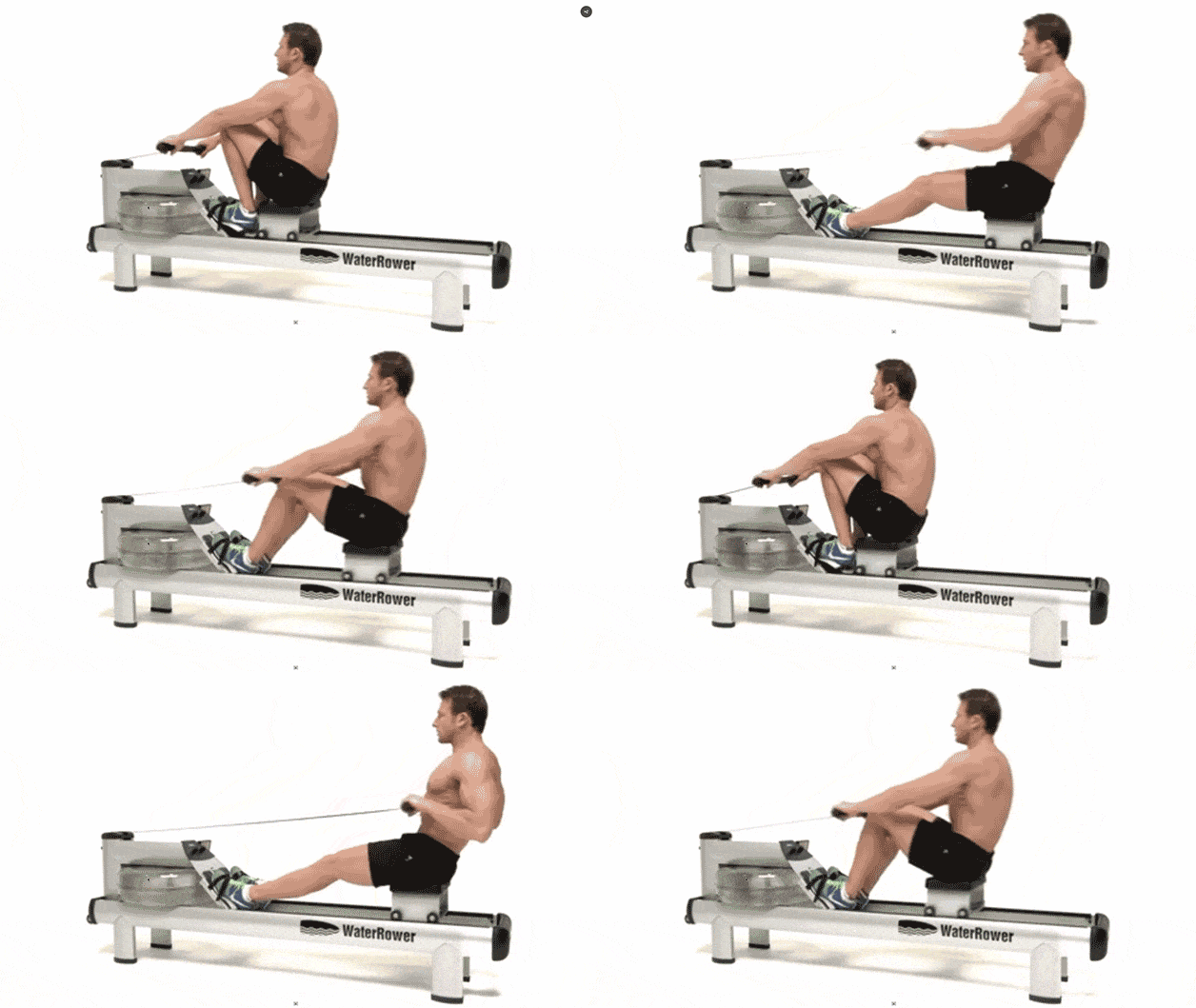
1. Doing Too Much Cardio
Many people dramatically increase the amount of running, cycling or high-intensity cardio they do as soon as they begin cutting.
While cardio can help increase energy expenditure, excessive amounts can interfere with recovery, increase fatigue and negatively affect strength performance.
Resistance training should remain your priority. It's the primary signal telling your body to retain muscle while you're in a calorie deficit.
2. Lifting Lighter Weights
Another common mistake is reducing training loads and switching exclusively to very high-rep workouts.
The body adapts to the demands placed upon it. If you stop exposing your muscles to challenging loads, your body has less reason to maintain them.
During a cut, the goal should still be to train hard and maintain as much strength as possible.
3. Increasing Training Volume Too Aggressively
Training six or seven days per week doesn't automatically produce better results.
Recovery capacity tends to decrease when calories are lower, making it easier to accumulate fatigue. Adding excessive sets, exercises and training sessions can quickly lead to burnout and declining performance.
For most people, maintaining a sensible amount of training volume is more productive than constantly trying to do more.
4. Neglecting Recovery
Recovery becomes even more important during a fat-loss phase.
Poor sleep, elevated stress levels and inadequate recovery can undermine progress, regardless of how well your diet is structured. Research consistently shows that sleep quality influences appetite regulation, body composition and muscle retention.
If you're serious about getting leaner, recovery should be treated as part of the programme rather than an afterthought.
5. Training Solely to Burn Calories
Many people choose exercises based only on how many calories they burn.
But a successful cutting phase isn't about maximising calorie expenditure during workouts. It's about preserving muscle while creating a sustainable calorie deficit through diet and activity.
The quality of the training stimulus matters far more than the calorie count displayed on a smartwatch.
6. Constantly Changing Your Programme
Switching training plans every week, chasing social media trends or constantly introducing new exercises makes it difficult to measure progress.
Consistency becomes even more important during a cut. A stable programme allows you to monitor strength levels, training volume and recovery while making informed adjustments when necessary.
The Best Approach to a Successful Summer Cut
A well-structured cut isn't built on extreme training sessions or crash diets. The most effective strategy is usually the simplest: maintain a moderate calorie deficit, keep strength training as your priority, use cardio as a supporting tool and focus on recovery.
The evidence is clear that slower, more sustainable fat loss produces better long-term results. The goal isn't simply to weigh less – it's to improve your body composition by reducing body fat while maintaining as much muscle as possible.
Get that balance right, and you'll arrive at summer leaner, stronger and healthier, while preserving the progress you've spent the rest of the year building.


